Racing teams rely on clear, reliable communication to coordinate pit stops, strategies, and safety protocols. The right two-way radio accessories—especially headsets and radios designed for noisy, fast-paced environments—can significantly improve performance and safety. Below is a curated guide to five top options, each with features tailored for racing conditions, including noise reduction, durable construction, and compatibility with common racing radios. A quick summary follows to help you compare at a glance.
| Product | Key Benefit For Racing |
|---|---|
| Rugged Radios H41 Behind The Head Headset | Dynamic mic, 24 dB NRR, 3.5 mm audio input |
| Rugged Radios Noise Reduction Behind The Headset | Clear hear audio, easy volume control, 24 dB NRR |
| Retevis ANC Noise Cancelling Headset Overhead | Overhead design, ANC, clear communication |
| Retevis ANC Behind The Head Headset | ANC, transparent mode, rugged build |
| Cobra RX680 Walkie Talkies (2-Pack) | IP54 splashproof, long range, NOAA weather |
Rugged Radios H41 Behind The Headset

The Rugged H41 headset is designed for behind-the-ear wear with a dynamic microphone that minimizes ambient noise for clear transmissions in loud environments. It includes a 24-decibel NRR hearing protection rating to safeguard ears during high-decibel racing events. A built-in 3.5 mm jack enables audio input from devices such as a cell phone, race receiver, or scanner, expanding on-track communication options. The combination of a noise-reducing mic and versatile audio input makes this headset suitable for pit lanes and crowded grid areas where clarity matters most.
Rugged Radios Noise Reduction Behind The Headset

This headset emphasizes clear hearing with Rugged H41 quality and adds a dedicated volume control knob on the right ear cup for quick adjustments. The included dynamic noise-canceling microphone ensures reliable transmissions in loud racing environments, while the 24 dB NRR rating provides improved hearing protection. Its design supports compatibility with common racing radios, making it a straightforward upgrade for teams seeking dependable on-course communication with minimal fiddling.
Retevis EHK012 Foldable Two Way Radio Headset

The EHK012 is a foldable two-way radio headset with 2-pin K-head compatibility and wide radio compatibility ranging from Baofeng UV-5R models to Kenwood devices. It features noise reduction to improve input clarity in noisy environments and offers adjustable volume for on-the-fly tuning. The headset supports multiple production and race environments, including trackside and field events, by balancing durability with flexible compatibility to a broad range of radios used by racing teams.
Retevis ANC Noise Cancelling Headset Overhead
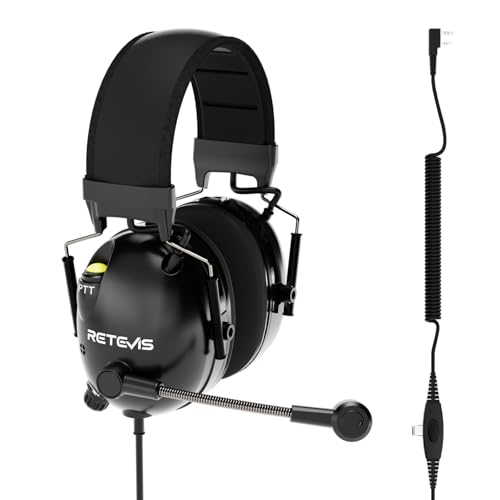
The ANC headset uses an over-ear design with an active noise cancellation chipset and soundwave inversion to reduce ambient sounds. The transparent mode allows hearing surrounding conversations when needed, a useful feature for teams working in a busy paddock. The adjustable headband and cushioned ear cups are built for long sessions, making it suitable for practice days and extended race events where comfort is essential for sustained communication reliability.
Retevis ANC Behind The Head Headset
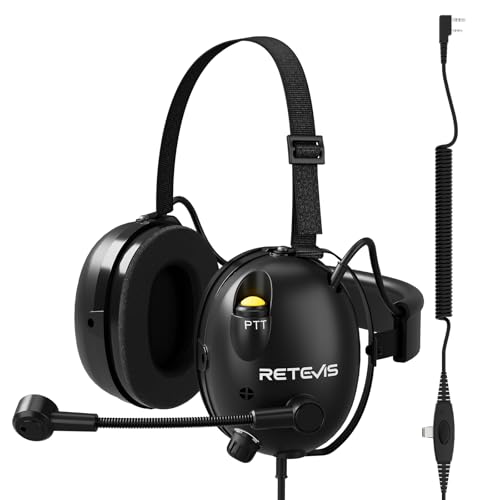
This behind-the-head headset emphasizes active noise cancellation with a triple-layered approach, designed to suppress engine and crowd noise that typically hamper racing communication. It includes a transparent mode for situational awareness and a flexible, durable headband suitable for strapped-in wear. The headset is built to last through dusty, hot track days while maintaining consistent microphone performance for critical pit communications and coaching cues during races.
Cobra RX680 Walkie Talkies (2-Pack)

The Cobra RX680 two-pack features rugged, splashproof construction with IP54-rated protection for reliability in wet or dusty track conditions. With up to 38-mile range in optimal conditions and 60 preset channels, teams can quickly establish dedicated channels for different race roles. NOAA weather channels provide critical updates during adverse weather, ensuring teams stay informed and aligned on track decisions and safety protocols.
Buying Guide
Key purchase considerations for racing communications:
- Environment and Noise: Choose headsets with active noise reduction (ANR) or high NRR ratings to protect hearing while enabling clear audio transmission through loud environments like open-track tuning areas and pit lanes.
- Microphone Type: Dynamic mics typically perform well in ballpark noise, while condenser mics can be more sensitive. Dynamic models are often favored for their reliability in harsh conditions.
- Connectivity: Check compatibility with your race radios and include a versatile audio input (3.5 mm or USB) when you want to mix in other sources such as scanners or phones.
- Durability and Fit: Look for rugged, dust- and water-resistant builds and headbands or behind-the-head designs that stay in place during high-speed movement and vibrations.
- Ease of Use: Quick-access volume controls and clear microphone muting can reduce miscommunications in the heat of a race.
- Multi-Channel Options: A wide channel selection plus privacy codes helps segregate team communications from bystanders or other crews on the same course or event.
- Compatibility and Accessories: Ensure the headset or radio system can connect with common brands used in racing. Adapters and spare cables can extend current setups.
- Weather and Environment: For outdoor racing, consider splashproof or weather-ready models to handle rain, dust, and humidity without degradation in audio clarity.
- Performance vs. Comfort: Weigh the trade-offs between ultra-light designs for long practice sessions and heavier setups with more padding for extended wear.
- Price vs. Longevity: Durable, professional-grade headsets may have higher upfront costs but lower maintenance and replacement needs over time.
- Brand Ecosystems: Some manufacturers offer complete kits (headsets, cables, adaptors) that integrate smoothly with existing radios, reducing setup complexity.
For racing teams, the optimal choice often involves a combination of a robust headset with a reliable two-way radio system. Prioritize clear transmission, hearing protection, and secure fit to maintain consistent, error-free communication during critical race moments.
Add a Comment