Finding the right trolling motor for a kayak can boost stability, extend outing times, and improve control in varying water conditions. This guide highlights five top options, spanning size, power, and features to help you choose a model that suits your paddling style and typical water venues. Each entry covers shaft length, thrust, and standout capabilities to compare at a glance.
| Product | Brand | Thrust | Shaft | |
|---|---|---|---|---|
| Newport Kayak Series 55lb | Newport Vessels | 55 lb | 24″ | LED battery indicator |
| Newport Kayak Series 36lb | Newport Vessels | 36 lb | 24″ | Saltwater rated; same build as 55 lb |
| Minn Kota Endura C2 30 Lb | Minn Kota | 30 lb | 30″ | 10-position lever lock; durable build |
| AQUOS Haswing 55Lbs | AQUOS | 55 lb | 26″ | 2.4G remote control |
| Garmin Force | Garmin | Varies (not specified) | — | Wireless integration; hands-free options |
Below are five detailed product sections. Each entry provides a concise overview, key features, and practical considerations for kayakers seeking reliable propulsion and easy control on the water.
Newport Kayak Series 55lb Thrust Transom Motor

The Newport Series 55lb model is a transom-mounted electric trolling motor designed for saltwater use on kayaks. It features a 24-inch fiberglass shaft for flexible depth placement and a full eight-speed range (five forward, three reverse). A six-inch telescoping handle offers enhanced control while maneuvering. The motor head employs corrosion-resistant magnesium, zinc, and stainless-steel hardware suitable for saltwater environments, powered by a 12V lead-acid battery system.
Key considerations: High thrust suits larger kayaks or choppier waters; ensure compatibility with your transom mounting setup; saltwater-rated hardware increases longevity in brackish or coastal conditions. Maintenance involves regular battery checks and cleaning the aluminum components to prevent corrosion.
Newport Kayak Series 36lb Thrust Transom Motor
This Newport 36lb model shares the same 24-inch fiberglass shaft and eight-speed configuration as its 55lb sibling, delivering reliable performance for mid-sized kayaks. It provides straightforward control via a 6-inch telescoping handle and is built with saltwater-ready hardware to endure daily use in brackish or coastal environments. The compact power level is well-suited for lighter kayaks and calmer water conditions.
Key considerations: Choose if you prefer a lighter setup with strong maneuverability; evaluate whether 36lb thrust meets your stability needs and typical load. Regular inspection of the motor head and shaft mounting can help maintain smooth operation over time.
Minn Kota Endura C2 Transom Motor
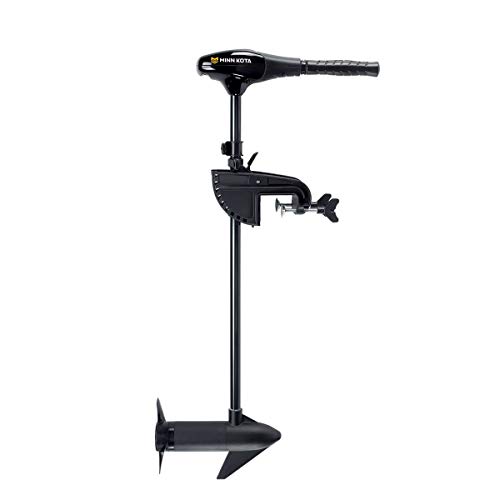
The Minn Kota Endura C2 offers 30 lb of thrust with a 30-inch shaft and a 6-inch telescoping tiller for comfortable control during long fishing sessions. It features a push-to-test battery meter integrated into the motor head, a 10-position lever lock for quick angle adjustments, and a reinforced composite frame designed to resist UV exposure and warping. A power prop is included to handle heavy vegetation, along with standard installation hardware.
Key considerations: Suitable for smaller to mid-sized kayaks or as a primary motor for calm waters. The durable construction and water-friendly design are ideal for frequent use; consider fuel efficiency and battery life for extended trips on serene lakes or gentle rivers.
AQUOS Haswing 55Lbs Kayak Trolling Motor

The Haswing Cayman T 12V 55LBS motor is designed for flexible control via a 2.4 GHz remote, making it suitable for kayaks where hands-free steering is beneficial. It includes a sacrificial anode and encapsulated electronics, plus a three-level LED battery indicator. The depth can be adjusted to suit both salt and freshwater use, with tilting capability to adapt to changing water conditions. The remote offers a long operating range and USB recharging options for the control unit.
Key considerations: The remote-controlled design enables head-up control from the cockpit or shore; ensure the remote’s range meets your usual fishing spots. Saltwater capability adds versatility for coastal kayaks, though check the remote receiver’s compatibility with your boat setup.
Garmin Force Kayak Trolling Motor

The Garmin Force is built for high integration and modern control options. It emphasizes wireless compatibility with pedal stations and handheld remotes, enabling point-and-go steering and throttle without clutter on the bow. The system supports flexible installation methods and integrates with Garmin’s broader ecosystem for data and navigation. This model prioritizes hands-free operation and streamlined deck space, ideal for anglers seeking a tech-forward setup.
Key considerations: Wireless integration reduces on-deck clutter and can improve control in dynamic conditions. Verify compatibility with your kayak’s transom and mounting hardware, and consider how Garmin’s ecosystem alignment fits your existing devices and apps.
Buying Guide: Key Purchase Considerations for Kayak Trolling Motors
- Thrust vs. kayak size: Larger kayaks or choppier water benefit from higher thrust, while lighter boats can use lower thrust without sacrificing control.
- Shallow vs. deep shaft: Longer shafts prevent prop strikes and improve clearance in deeper water or when kneeling; shorter shafts save weight on compact boats.
- Mount type: Transom mounts are common for kayaks, but bow-mount configurations can offer different control dynamics. Ensure mounting hardware matches your kayak’s design.
- Power source and efficiency: Consider battery type (lead-acid, AGM, or lithium) and runtime based on thrust, speed, and usage patterns. Technologies like digital maximizers can extend life.
- Control options: Hand tillers, foot pedals, remotes, or fully integrated wireless controls influence ease of use, especially during long days on the water.
- Saltwater readiness: If you kayak in brackish or coastal waters, corrosion-resistant hardware and full saltwater ratings are important for longevity.
- Noise and fish behavior: Some motors operate quietly to reduce fish spook, a factor for anglers prioritizing stealth in calm water.
- Maintenance: Regularly inspect mountings, propellers, and electrical connections; clean after use in saltwater to prevent corrosion and buildup.
- Compatibility: Verify shaft length, mounting pattern, and throttle/remote compatibility with your existing setup or future upgrades.
In summary, the best trolling motor for a kayak depends on boat size, typical water conditions, and preferred control style. The five options above provide a range of thrust, shaft lengths, and control methods to fit diverse paddling scenarios. Always verify installation requirements and battery compatibility before purchasing.
Add a Comment