Finding the right tennis racket for eight-year-olds involves balancing weight, grip size, and playability. The right kids’ racket helps young players develop proper technique while keeping sessions enjoyable. Below are five junior rackets chosen for their suitability for ages around eight, combining lightweight designs, age-appropriate lengths, and beginner-friendly features. A quick summary table follows to compare key specs at a glance.
| Product | Brand | Size | Key Benefit |
|---|---|---|---|
| HEAD Speed Kids Tennis Racquet – 25 Inch | HEAD | 25″ | Lightweight, beginner-friendly with head-light balance |
| HEAD Speed Kids Tennis Racquet – 19 Inch | HEAD | 19″ | Compact for younger beginners, easy swing |
| HEAD Speed Kids Tennis Racquet – 21 Inch | HEAD | 21″ | Balanced option for developing players |
| Senston 23″ Tennis Racket for Kids | Senston | 23″ | Lightweight with kid-friendly grip and size |
| Wilson Profile 25 Junior | Wilson | 25″ | Durable, recreational-friendly for growing players |
Note: Sizes and features vary by model. Always verify grip size and overall weight when selecting a racket for a child to ensure comfort and proper technique development.
HEAD Speed Kids Tennis Racquet – 25 Inch
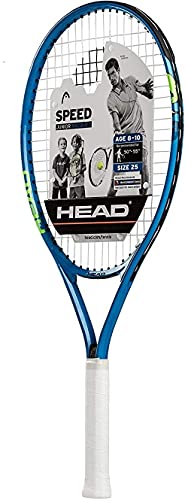
This 25-inch HEAD Speed junior racket is designed for beginners and younger players. It features a head-light balance to reduce vibration and promote stability during ball contact, helping young players develop consistent form. HEAD emphasizes modern equipment performance, making these rackets appealing for new players who want dependable feel and trouble-free swings. The lightweight construction helps young athletes generate pace without excessive effort, which is essential for building confidence on the court.
HEAD Speed Kids Tennis Racquet – 19 Inch
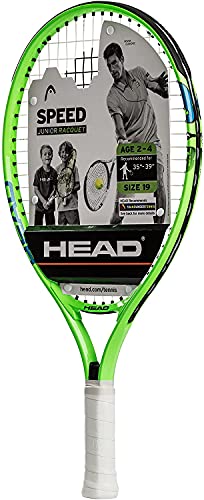
This 19-inch HEAD Speed junior racket caters to the youngest players. It maintains the same beginner-focused design philosophy with a lighter feel and an age-appropriate length. The head-light balance helps reduce vibration and fosters stability when the ball is struck, aiding early skill development and comfortable practice sessions. HEAD’s emphasis on child-friendly performance makes this an attractive option for entry-level players starting to learn the fundamentals.
HEAD Speed Kids Tennis Racquet – 21 Inch

The 21-inch HEAD Speed junior racket offers a balance between maneuverability and reach, making it suitable for improving players who are transitioning from 19-inch models. With a head-light balance and beginner-oriented construction, it reduces unwanted vibration while maintaining stability during contact. This size supports developing forehands and backhands without overstraining small arms, helping young players build consistent technique.
Senston 23″ Tennis Racket for Kids

The Senston 23″ racket is designed specifically for kids aged roughly 7 to 10. It includes a lightweight frame, a comfortable grip, and a head size that facilitates easier tracking of the ball. The package often includes a cover and overgrip, which helps young players carry and maintain their equipment. This racket’s approachable weight and sizing make it a practical choice for beginners still refining their technique and swing mechanics.
Wilson Profile 25 Junior

The Wilson Profile 25 Junior is a reliable option for recreational players. Weighing in as a 25-inch model, it’s aimed at ages around eight and older who are developing basic control and power. The US Open-inspired styling adds visual appeal, while AirLite alloy construction contributes to a lightweight frame that supports easy handling, especially for new players working on consistent contact and swing rhythm.
Buying Guide: Key Purchase Considerations
When choosing a tennis racket for an eight-year-old, consider these factors to ensure the best fit and development:
- Racket length: For eight-year-olds, 19–25 inches is common. Start with the smallest length that allows proper technique and full follow-through, then adjust as the child grows or gains strength.
- Weight and balance: Lighter frames reduce fatigue and enable faster swing development. Head-light balance minimizes vibration and helps with control, which is beneficial for beginners.
- Grip size: A grip that’s too large or too small can hinder technique and comfort. Many junior rackets use smaller grip sizes to accommodate developing hands.
- Frame stiffness and material: Composite materials and lighter alloys help with maneuverability, while some models provide more durability for energetic play and practice.
- Set-up and accessories: Rackets sold with covers, grips, or dampers can be practical for beginners, encouraging proper care and practice routines.
- Progression: Look for rackets that can scale with a child’s skill, offering slightly longer or heavier options as they improve, to avoid frequent repurchases.
- Durability vs. cost: For children who play casually, durability and ease of use may trump premium features. Balance budget with the likelihood of continued use.
- Availability of replacement grips: Some brands offer affordable overgrips and dampers, allowing players to customize feel and traction over time.
Selecting the right racket also involves matching the child’s current comfort level with the court environment. Beginning players benefit from a forgiving racket that helps generate controllable shots while maintaining ease of use. As technique develops, transitioning to a slightly longer or stiffer model can support power gains and improved reach on groundstrokes and serves.
Add a Comment