Discover the best wetsuits for scuba diving and cold-water adventures. This guide highlights five highly-rated options across men and women, focusing on warmth, fit, and ease of use. Each product section includes key features to help you compare protection, flexibility, and comfort in chilly oceans and lakes.
Summary of Selected Products
- Hevto Wetsuits Men 3/2mm Neoprene — Back Zip, Blue/Black, XL
- XUKER Wetsuit Women 2mm Neoprene — Back Zip, Cold Water
- Owntop 5mm Wetsuit for Men — Long Sleeve, Gray, XL
- REALON Diving Skin Suit — One Piece, Thin Rash Guard, Unisex
- Dyung Tec Wetsuits 3MM Camo — Unisex, Camouflage Pattern
Best All-Around Warmth: Hevto 3/2mm Back Zip Men Wetsuit
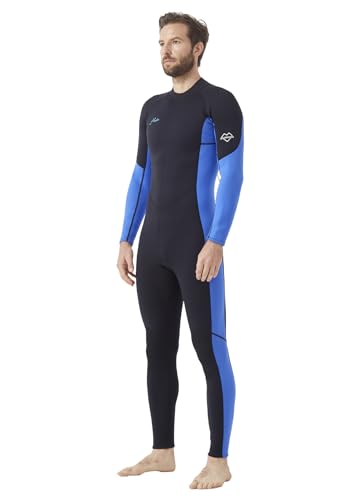
The Hevto 3/2mm wetsuit is designed for adult men engaging in surfing and diving. It uses 3/2mm neoprene with nylon stretch fabric to balance warmth and flexibility. The back-zip entry aids donning and doffing, while the 3/2mm thickness targets cooler water conditions without restricting movement. The royal blue sleeves paired with black create a distinct look while delivering buoyancy and warmth in chilly water. Suitable for a variety of water sports beyond diving, including kayaking and jet skiing.
Women’s 2mm Neoprene Wetsuit: XUKER Back Zip
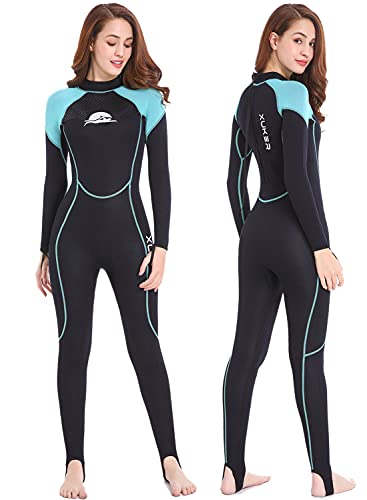
The XUKER 2mm wetsuit for women emphasizes protection and ease of wear in cold water. It shields skin from minor abrasions and sun exposure while trapping a thin water layer to form a thermal barrier. The back zipper simplifies on/off, and the suit is designed to accommodate gloves, socks, and a hood for extended cold-water adventures. This option prioritizes flexible movement, making it suitable for snorkeling, diving, and light surfing in cooler environments.
Owntop 5mm Full Wetsuit: Extra Warmth For Cold Waters

The Owntop 5mm wetsuit provides greater insulation for cold-water activities such as diving and snorkeling. The 5mm neoprene and 4mm cuff construction are designed to maximize warmth while remaining flexible enough for movement. A front YKK zipper makes it easier to put on and take off, and the snug fit at wrists and ankles helps minimize water intrusion. The suit is positioned for mixed-water adventures that require reliable thermal protection without sacrificing mobility.
REALON Diving Skin Suit: Lightweight Rash Guard

The REALON diving skin is a thin 0.8mm rash guard designed for hot-water sessions or as a base layer under a wetsuit. It uses a high-stretch blend of nylon and spandex to ensure mobility and quick drying. The design includes thumb loops and a front zipper for easy on/off and layering. While not a full wetsuit, it provides UPF protection and can extend the wear season by maintaining warmth under thicker suits in cooler conditions.
Dyung Tec 3MM Camo Wetsuit: Unisex Full Suit

The Dyung Tec 3mm camo wetsuit emphasizes full-body protection with a classic crewneck and back zipper for easy entry. The suit features a unique camouflage pattern for outdoor water activities and includes padding at the chest and knees for added protection. The material composition is designed to balance warmth and flexibility, making it suitable for shallow-water dives, snorkeling, and casual scuba sessions in temperate waters.
Buying Guide
- Water temperature and thickness: Select wetsuits by water temperature ranges. Thinner suits (2–3mm) are ideal for warmer waters, while thicker suits (5mm–7mm) provide more insulation for cold water.
- Entry method: Back zip offers easier donning for many, but front zip can provide a tighter seal. Consider ease of use, plus whether you prefer extra warmth around the torso.
- Fit and flexibility: A snug but comfortable fit is essential to minimize water intake and maximize warmth. Check size charts and weight/height guidance from the brand.
- Chafing protection and seams: Look for reinforced seams, flatlock stitching, and padding in high-wear areas (knees, chest) to improve durability and comfort during long sessions.
- Layering options: Rash guards or skin suits can extend wear in transitional seasons. Determine whether you need a base layer under a thicker suit for added warmth or SPF protection.
- Maintenance: Rinse with fresh water after use, air-dry away from direct heat, and store flat or on a hanger. This helps preserve neoprene elasticity and seam integrity.
- Intended activities: Some suits are optimized for snorkeling, others for scuba diving or surfing. Choose based on primary activities and movement needs (bending, paddling, leg movement).
- Budget vs. features: More features (durable seams, softer neoprene, UV protection) can justify higher prices. Balance budget with long-term use expectations.
- Color and visibility: Bright colors can improve visibility in open water, aiding safety, while camo designs may be preferred for wildlife observation.
All five products in this guide offer distinct advantages for cold-water exploration, from warm full suits to lighter rash guards that serve as base layers. Consider water temperature, intended activity, and desired range of motion when choosing your wetsuit. This selection provides options for different experience levels and climates, helping divers stay warm and comfortable during underwater adventures.
Add a Comment