Finding the right kids bike combines safety, comfort, and room to grow. The following selections emphasize sturdy frames, reliable braking, and adjustable features that help young riders gain confidence. Each choice offers age-appropriate sizing and thoughtful design to support longer, more enjoyable rides for kids 2 through early pre-teen years. Below are five standout options, with a quick reference table to help compare core details at a glance.
| Product | Brand | Age/Size Range | Notable Feature |
|---|---|---|---|
| WEIZE Kids Mountain Bike | WEIZE | 6-10 Years | Dual full suspension and 6 speeds |
| Schwinn Elm and Koen Bike | Schwinn | 2-13 Years | Adjustable seat; grows with child |
| Dynacraft Magna Major Damage 20″ | Dynacraft | 6-9 Years | Bold, durable design; easy assembly |
| 20/24 Inch Kids Mountain Bike | DEYGIA | 6-12 Years | 7-speed drivetrain; suspension; disc brakes |
| Dynacraft Air Zone Aftershock 20″ | Dynacraft | 6-10 Years | Rugged design; reliable performance |
WEIZE Kids Mountain Bike: Dual Suspension For Young Adventurers

The WEIZE 20-inch model targets riders aged 6 to 10, with a sturdy high-carbon steel frame designed to withstand energetic trails. Its dual full suspension helps absorb bumps, while a 6-speed drivetrain lets kids adjust for climbs or flat sections. The bike features a lower standover height to ease mounting and dismounting, supporting better body alignment for young riders. Front and rear V-brakes offer straightforward, reliable stopping power, promoting safer handling. The tires—20 by 2.125 inches—provide grip and stability for exploratory riding, helping new riders gain confidence on varied surfaces.
Schwinn Elm And Koen: 12-20 Inch Bike For Learning Rides
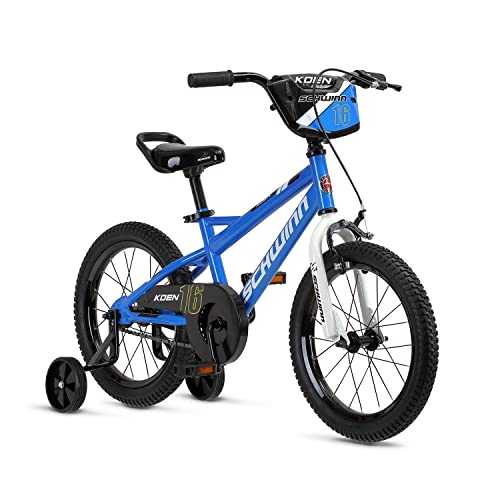
Schwinn’s Elm and Koen pairing is designed to ease children into independent riding, with 12-20 inch wheels suitable for heights between roughly 30 and 54 inches. It emphasizes an easy, single-speed drivetrain that helps kids focus on balance and posture before introducing gears. The adjustable seat allows growth, so the bike can accompany a child as they gain confidence and ride duration. This design supports gradual progression from training wheels or balance bikes to a standard bicycle, making it a practical starter option for many families.
Dynacraft Magna Major Damage 20″ Bike: Bold Design For Learning Riders
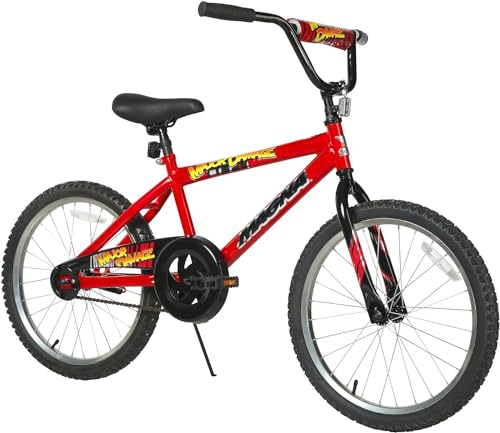
Dynacraft’s Magna Major Damage offers a durable, visually striking option for kids beginning to ride. This 20-inch bike focuses on robust construction and straightforward assembly, aligning with parents who value quick setup and dependable performance. The brand’s track record in kids’ bicycles supports a balanced approach to design—strong materials paired with kid-friendly aesthetics. Although the product page highlights brand history and warranty, the core takeaway is a reliable ride that encourages kids to practice balance, steering, and confidence on local streets or parks.
DEYGIA 20/24 Inch Mountain Bike: 7-Speed Comfort On Varied Terrain

DEYGIA’s 20/24 inch bike combines a durable steel frame with a suspension fork to smooth out rough trails. Its 2.35 inch wide anti-slip butyl tires offer solid traction, and the front-rear disc brakes deliver strong stopping power—an important safety feature for young riders. The seven-speed drivetrain gives kids options for adjusting effort across climbs and level ground, while comfortable handlebars and cushioned saddle support longer, more comfortable sessions outdoors.
Dynacraft Air Zone Aftershock 20″ Mountain Bike

The Air Zone Aftershock continues Dynacraft’s emphasis on rugged, kid-friendly bicycles. Built to withstand active use, this 20-inch model emphasizes durability and straightforward operation, making it suitable for kids learning to handle steeper terrain or uneven paths. The bike’s design supports easy maintenance and dependable performance, aligning with families seeking a low-maintenance option that still offers a confident riding experience for curious young riders.
Buying Guide: Key Purchase Considerations For Kids Bikes
- Frame size and adjustability: Choose bikes with adjustable seats and, if possible, adjustable handlebars to accommodate a growing child. A lower standover height helps with mounting and balance training.
- Braking system: Front and rear braking are essential for safety. Start with simple, reliable V-brakes or disc brakes, ensuring kids can easily reach and operate them.
- Drivetrain: For beginners, single-speed or limited gears reduce complexity. As kids gain confidence, multi-gear setups (like 7- or 6-speed systems) can help with hills and longer rides.
- Suspension and tires: A lightweight front or dual suspension can smooth rough terrain, while wider, grippier tires improve stability on grass, gravel, and pavement.
- Weight considerations: Lighter bikes are generally easier for kids to handle, especially when lifting or maneuvering off the bike stand or onto a curb.
- Durability and warranty: Look for sturdy materials, quality bearings, and a warranty that covers common wear. Brands with established support channels can save time on repairs.
- Growth potential: A bike that can be sized up via seat height, and occasionally handlebar adjustments, helps extend usage from early years into later childhood.
- Safety features: Consider protective features such as well-fitting helmets, chain guards, and reflective components. Training wheels or balance options can be stepping stones for beginners.
- Maintenance needs: Check ease of maintenance, availability of spare parts, and simple assembly or adjustment steps. Parents should consider bikes that are easy to service at home or through local shops.
Overall, the best kid’s bike blends safety, growth potential, and dependable performance. When evaluating options, prioritize a frame and braking system that a child can operate confidently, with components that support a longer lifespan as they gain experience on varied terrains. The five bikes highlighted above provide a spectrum of sizes, drivetrain configurations, and durability profiles—each tailored to help kids enjoy active, adventurous riding while building foundational cycling skills.
Add a Comment