Power meters are a cornerstone for triathlon training, enabling precise pacing, race simulations, and data-driven transitions between cycling, running, and swimming. This guide highlights top power meter pedals and accessories that suit triathletes looking to optimize both bike splits and overall race results. The selections balance accuracy, battery life, compatibility, and ease of installation to fit a variety of bikes and training styles.
| Product | Brand | Type | Key Benefit |
|---|---|---|---|
| Magene P715 S Power Meter Pedals | Magene | Pedals | High precision and long battery life |
| Magene P715 K Power Meter Pedals | Magene | Pedals | KEO optimized, accurate data |
| Garmin Rally RS110 | Garmin | Pedals | Single-sensing, easy transfer between bikes |
| Magene P715 Dual-Sensing | Magene | Pedals | Left-right power balance with high accuracy |
| Training and Racing with a Power Meter, 2nd Ed. | VeloPress | Book | Triathlete-specific training plans and insights |
Magene P715 S Power Meter Pedals

Magene’s P715 S pedals deliver precise power data with ±1% accuracy, making them a strong choice for triathletes focused on consistent pacing across workouts and races. A standout feature is the exceptionally long battery life, rated up to 120 hours, which reduces maintenance during long training blocks. Installation is quick, and the system supports ANT+ and Bluetooth for easy pairing with head units and training apps. These pedals are designed to work across various bike frames, simplifying multi-bike training or travel use. The S variant emphasizes seamless bike compatibility and reliable data capture, helping athletes monitor power output during critical efforts and rest intervals.
Magene P715 K Power Meter Pedals

The P715 K variant is optimized for KE0 compatibility while preserving ±1% power accuracy and 120 hours of battery life. Like the S version, it records every watt with precision and supports quick installation. Its design makes it a versatile upgrade for riders seeking robust data across training blocks or race simulations. With universal compatibility and reliable transfer of power metrics, the P715 K enables precise calibration of efforts in both base training and peak race phases, helping triathletes manage tempo and threshold sequences on the bike leg.
Garmin Rally RS110, Single-Sensing Power Meter

Garmin Rally RS110 pedals provide a single-sensing power meter setup that tracks total power and cadence with high responsiveness thanks to an improved strain gauge and gyroscope. The ability to transfer sensors between bikes is a practical advantage for triathletes who train and race on different machines or journeys. The RS110 offers easy pedaling data integration with Garmin ecosystems and supports SHIMANO SPD-SL cleats, simplifying upgrades for riders already invested in Garmin software. This option delivers reliable data for pacing, power zones, and race-day strategies, while remaining straightforward to install and maintain.
Magene P715 Dual-Sensing Pedals
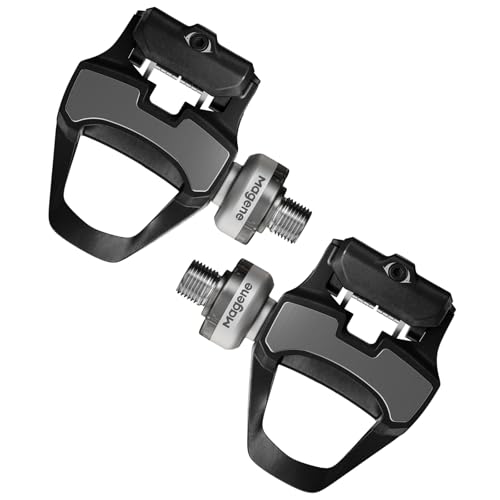
The P715 Dual-Sensing pedals measure power independently for both left and right legs with ±1% accuracy, creating a more complete power profile for triathletes chasing symmetrical output and refined pedal efficiency. They are SPD-SL compatible, enabling easy upgrades on many road bikes without changing cleats. The premium silver finish adds a modern, durable look while providing the trusted Magene build quality. For athletes who want detailed leg balance insights and straightforward installation, dual-sensing pedals offer a thorough, race-ready power solution.
Training and Racing with a Power Meter, 2nd Ed.

This updated guide offers a comprehensive view of power-based training, including the latest technology and software tools. It includes workouts and protocols tailored for triathletes, plus a complete triathlon training plan. The book helps athletes interpret data from various power meters, translate insights into training blocks, and structure race preparation around target power zones. For newcomers and veterans, it provides a balanced, evidence-based framework to optimize bike splits and overall performance across training cycles and race weekends.
Buying Guide
Power meters for triathlon vary in design, data presentation, and compatibility. Consider these factors to choose the right setup for your goals and bike(s):
- Accuracy and consistency: Look for ±1% accuracy for reliable pacing and zone training. Dual-sensing units can offer more detailed leg balance data but may add cost.
- Weight and aerodynamics: Pedal-based meters add some weight and may affect pedal balance. Compare how different units impact your ride feel and efficiency on long rides and climbs.
- Battery life and maintenance: Long battery life reduces downtime between training blocks. Quick install and transfer between bikes are essential for multi-bike triathletes.
- Compatibility: Ensure the pedal system fits your crankset, cleats, and bike frame. ANT+ and Bluetooth compatibility broadens pairing options with head units and training apps.
- Data ecosystem: Consider how data will feed into training platforms (Garmin, Wahoo, TrainingPeaks, Golden Cheetah). A coherent workflow speeds up analysis and plan execution.
- Left-right balance: If you want deeper insights into asymmetries, dual-sensing meters provide detailed left/right power data, though they are typically pricier.
- Upgrades and transferability: Some meters can move between bikes, saving money over time. Check cleat compatibility (SPD-SL, Keo, etc.) and ease of transferability.
In addition to hardware, combine your choice with a training plan that leverages power data. The included reference material and race-focused programs help triathletes structure intervals, thresholds, and nutrition around target power zones for cycling, running transitions, and overall race day pacing. A well-integrated setup translates data into tangible improvements during long rides, brick workouts, and sprint recon efforts.
Add a Comment