When your neoprene wetsuit, waders, or drysuit starts showing tears or leaks, a fast, reliable repair matters. This guide highlights top neoprene patch and repair kits designed to seal seams, mend rips, and reinforce high-wear areas. Each option below emphasizes a strong, flexible bond that endures saltwater, sunlight, and heavy movement—so your gear can withstand the next dive, paddle, or surf session.
Summary of chosen products:
| Product | Brand | Key Benefit |
|---|---|---|
| GEAR AID Wetsuit Repair Kit with Neoprene Patch | GEAR AID | Heat-activated patch; quick permanent tears repair |
| GEAR AID Wetsuit Repair Kit with Iron-On Neoprene Patch | GEAR AID | Heat-activated patch plus glue; versatile patching |
| GEAR AID Aquaseal NEO Contact Cement | GEAR AID | Permanent cement for diverse neoprene repairs |
| LLPT Wetsuit Repair Tape Iron On 0.8” | LLPT | Strong hot-melt carrier tape for quick seams |
| LLPT Wetsuit Repair Tape Iron On 2” | LLPT | Longer tape for larger patches and seams |
Gear Aid Wetsuit Repair Kit With Neoprene Patch

This kit focuses on a heat-activated, flexible neoprene patch that bonds with a household iron for quick, durable repairs. The included black fabric patch, sized at 6” x 10”, can be cut to fit tears across wetsuits, waders, drysuits, booties, and gloves. It’s designed to reinforce high-wear zones such as elbows and knees while resisting abrasion, making it suitable for ongoing water activities where flexibility matters most. Expect a long-lasting, waterproof seal once the patch is properly applied and cooled.
Gear Aid Wetsuit Repair Kit With Iron-On Neoprene Patch And Glue
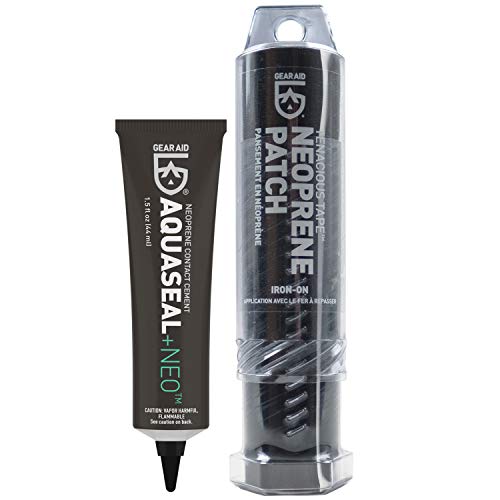
This kit blends a heat-activated Tenacious Tape neoprene patch with added option to use Aquaseal NEO cement for higher-strength repairs. The black 10” x 6” patch is suitable for tears and can reinforce elbows, knees, or other high-flex zones. It also notes compatibility with stretch fabrics such as spandex and Lycra, expanding its use beyond wetsuits to include other neoprene-based or stretch materials. The complete kit option includes Aquaseal NEO cement for a robust, long-lasting bond.
Gear Aid Aquaseal NEO Contact Cement
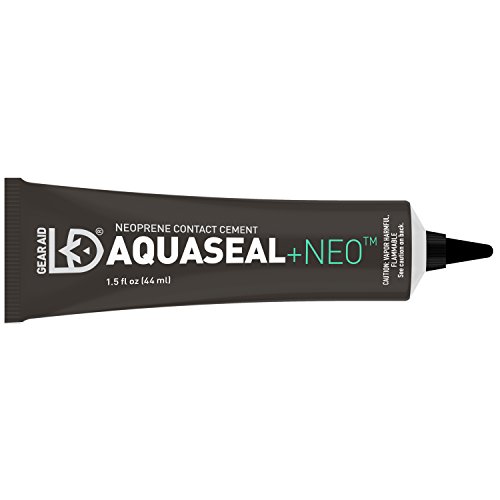
This cement is engineered for permanent repairs in neoprene, allowing repairs within about 30 minutes as it cures to a flexible black rubber. It bonds to neoprene, latex, coated materials, and other elastic fabrics. It’s particularly useful for high-wear areas like knees and elbows, where movement stresses repairs. Use it on wetsuits, waders, gloves, booties, and drysuits to create durable, water-resistant patches that last across seasons.
LLPT Wetsuit Repair Tape Iron On 0.8” x 16.5 Ft

LLPT’s thin repair tape uses a premium carrier with a strong hot-melt adhesive, optimized for neoprene, Gore-Tex, and other fabrics. It is waterproof, heat- and sweat-resistant, and safe for skin in short-term contact. The recommended usage involves applying tape over the leak as you heat-set it with a low-to-medium iron and a damp cloth, finishing with gentle reheating to ensure a clean edge seal. It’s best for patching seams and small rips while maintaining flexibility.
LLPT Wetsuit Repair Tape Iron On 2” x 16.5 Ft
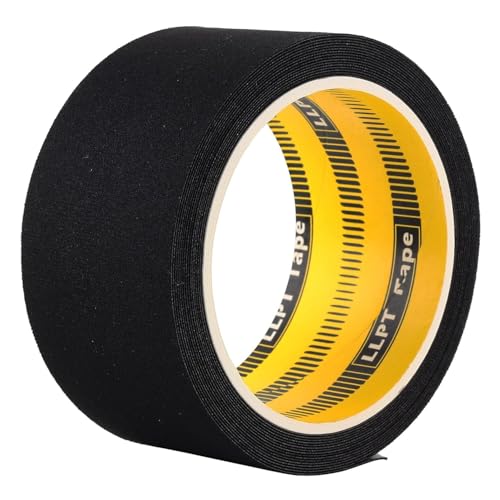
This LLPT option provides a longer 2” tape for larger repairs or patches across wider seams. The same industrial-grade carrier and adhesive are designed to handle high-stress areas on neoprene, wetsuits, drysuits, and fishing gear. As with other LLPT tapes, it requires careful ironing with a damp cloth and avoidance of applying when the suit is wet. The longer tape helps seal bigger leaks efficiently while preserving flexibility.
LLPT Wetsuit Repair Tape Iron On 3” x 16.5 Ft

The 3” tape variant extends the same strong carrier and quick repair approach to larger areas. It’s suitable for more extensive leaks, larger tears, or reinforced seams along chest panels, cuffs, or knee zones. As with LLPT’s other tapes, proper application includes heating with a damp cloth and ensuring the tape is pressed firmly to the material for lasting adhesion. The result is a sealed seam that remains flexible in movement.
Buying Guide
Key considerations when choosing neoprene patches and repair kits include patch size, patch type (iron-on vs. cement vs. glue), and the level of flexibility required for your gear. For quick field fixes, iron-on neoprene patches and tapes offer fast results, particularly for small to mid-sized tears in wetsuits or gloves. For high-wear zones like knees and elbows, cement-based adhesives or patch kits with included Aquaseal cement can provide longer-lasting bonds.
- Patch material and compatibility: Ensure the patch or tape adheres to neoprene and any substrates in your gear (e.g., nylon, Gore-Tex).
- Flexibility and movement: Choose products designed to remain flexible after curing to prevent cracking with bending.
- Patch size: Larger tears require bigger patches or longer tapes to distribute stress, while small leaks can be fixed with compact patches.
- Application method: Iron-on options require a household iron and heat; cement options need curing time and surface prep for best results.
- Water exposure: Some products advise applying only to dry gear or using damp cloth during pressing; follow manufacturer guidance for best outcomes.
When selecting, compare the ease of use, cure time, and compatibility with other gear you own. For travelers or watersport enthusiasts, keeping a compact kit with both iron-on patches and cement-based options can cover most repair scenarios, from minor abrasions to larger tears in a wetsuit or drysuit.
Add a Comment