Riding mountain trails often leads to numbness or fatigue in the hands and wrists. The right MTB grips can shift pressure away from sensitive areas, improve vibration dampening, and keep your forearms relaxed. This guide reviews proven grip designs and materials that help reduce numbness, letting you ride farther with less discomfort. Below, you’ll find five top picks that balance comfort, grip, and durability for American riders.
| Product | Key Benefit | Diameter / Length | Material | Lock-On |
|---|---|---|---|---|
| TOPCABIN Ergonomic 130mm | Wider surface for increased palm support | 130 mm | Rubber | Yes |
| GPMTER Lock-On | Extra gel layer for soft touch | ~130 mm | Non-slip rubber | Yes |
| MIOLOE Ergonomic Ends | Relieves wrist pressure with multi-position grip | Not specified | TPE rubber | No (ends) |
| ESI Grips Chunky | High-damping silicone for comfort | 130 mm | Silicone | No |
| Ultracycle Foam Comfort | High-density foam for vibration dampening | 125 mm | Foam rubber | No |
Choosing grips designed to reduce numbness matters because it influences hand position, forearm load, and vibration transfer to the arms. The products below were selected for features that address numbness, including ergonomic shaping, multi-position grips, and cushioning materials. Each entry includes a direct link to Amazon for quick comparison and purchase.
TOPCABIN Ergonomic 130mm Handlebar Grips

These universal grips fit handlebars with a 22-23 mm outer diameter and measure 130 mm in length, offering a wide contact surface designed to spread pressure more evenly across the palm. The construction is lightweight yet durable, suitable for daily commuting and long rides. A sturdy plastic cap completes the look and adds durability at the ends. The design supports a variety of riding styles and types, including road and mountain bikes, with an easy, tool-free installation process.
GPMTER Lock-On Bike Handlebar Grips
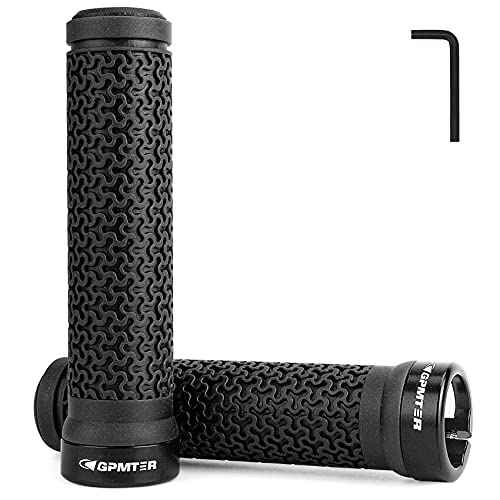
GPMTER offers a single aluminum lock-on system that secures the grip to the bar while maintaining a soft, tacky feel. The grips are built from durable non-slip rubber with an ergonomic shape and an extra gel layer for a cushioned touch. The high-friction rubber helps maintain grip in all weather, helping to reduce the need to grip tightly and thereby lessen hand fatigue during long rides or rough terrain.
MIOLOE Ergonomic Bike Handlebar Ends

This set focuses on relieving wrist pressure through bullhorn-style thumb rests that offer a secondary hand position. The design supports multi-position riding, which helps prevent muscle fatigue on climbs or long tours. Anti-slip TPE rubber gives a secure grip even in sweaty or wet conditions, while the lightweight construction keeps the overall weight impact low for mountain applications.
ESI Grips Chunky – Silicone MTB Grips

ESI Chunky grips are designed for mountain biking and heavy terrain. Made from soft, durable silicone, they provide significant shock absorption with a larger 32 mm diameter and 130 mm length. Weighing only 60 g, these grips deliver ample vibration dampening without adding much weight, making them a solid choice for riders who prefer a thick, cushioned feel that reduces numbness on rough trails.
Ultracycle Foam Comfort MTB Grips

These grips use a high-density foam rubber construction to provide substantial vibration dampening and padding. The ergonomic shape aims to offer comfortable support across long rides, with a design that reduces palm and wrist fatigue. Installation is straightforward and tool-free, making them a practical option for riders who want a quick upgrade to combat numbness during extended sessions.
Buying Guide: Key Purchase Considerations
To choose the best grips for numbness, consider several factors that influence comfort and control on the trail:
- Grip material and cushioning: Silicone and foam-based grips offer excellent shock absorption, while rubber provides grippy confidence in wet conditions. For numbness, a softer, cushioning material can help distribute pressure away from the nerves.
- Diameter and length: A wider diameter can reduce hand fatigue by providing a larger contact area. Ensure compatibility with your handlebar diameter (commonly 22–23 mm for many MTB bars) and preferred grip length.
- Ergonomic design: Grips with thumb rests, flared shapes, or enlarged palm surfaces encourage a relaxed wrist posture and multiple hand positions, which helps alleviate numbness on long rides.
- Lock-on vs slip-on: Lock-on grips stay secure on rough terrain and prevent spin. If you frequently adjust grips or prefer simple removal, slip-on options with good friction can suffice, though they may shift during aggressive riding.
- Weather resilience: Consider grip compounds that maintain grip in wet or cold conditions to avoid a tighter grip that could worsen numbness.
- Installation and weight: Tool-free installation is convenient, but ensure the grip isn’t overly heavy. Lightweight options reduce arm fatigue over long distances.
While the goal is to minimize numbness, it’s also important to pair grips with proper riding posture, handlebar setup, and, if necessary, a hand position strategy during climbs and descents. The choices above provide a spectrum from ergonomic ends and multi-position grips to high-dampening silicone options, enabling riders to tailor their setup to personal comfort and trail demands.
Add a Comment