Choosing the right helmet for a 4-year-old involves finding a lightweight, adjustable design with proper protection and comfort. The following selections prioritize safety standards, multiple sizing options, and kid-friendly designs to fit active, growing riders. Below is a quick summary of the five featured products to help you compare at a glance.
| Product | Brand | Sizes / Fit | Notable Feature |
|---|---|---|---|
| Toddler Bike Helmet Unicorn (XS) | MOUNTALK | XS (0-2 yrs), S (3-6 yrs), M/L (5+ yrs) | |
| Toddler Bike Helmet Unicorn (XS) | MOUNTALK | XS (0-2 yrs), S (3-6 yrs), M/L (5+ yrs) | |
| XJD Toddler Helmet (Pink, X-Small) | XJD | XS 46-51 cm; Small 52-56 cm | |
| Bell Spiderman Spidey Eyes Toddler Helmet | BELL | Head 48-52 cm | |
| Besttravel Kids Bike Helmet (Blue) | Besttravel | 48-54 cm |
Toddler Unicorn Helmet From MOUNTALK (Size S)
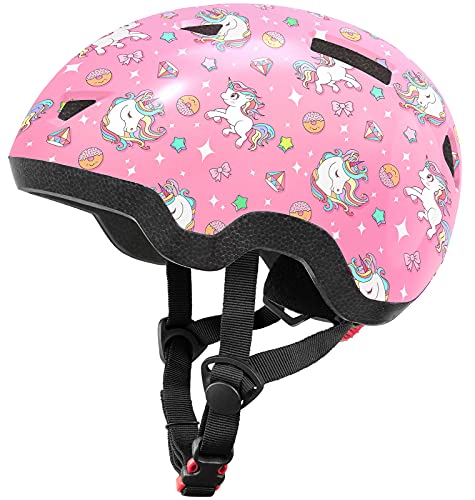
This child helmet offers adjustable sizing from infant through early school years, with a unicorn design that appeals to young riders. Size guidance indicates XS for 0-2 years, S for 3-6 years, and M/L for over 5 years. The design supports growing heads while maintaining safety alignment with typical toddler and young child head shapes.
Features focus on a balance between comfort and protection. The helmet uses a lightweight shell over a protective inner liner, with padding designed to minimize chafing and pressure points. The unicorn motif provides a friendly aesthetic while preserving a secure, snug fit as the child grows.
Toddler Unicorn Helmet (XS) From MOUNTALK

This variant also targets the infant-to-young-child range with a focus on a secure fit for small heads. The XS sizing is designed for younger toddlers, while the overall construction mirrors the brand’s emphasis on safe, adjustable protection for active kids. The unicorn theme remains a kid-friendly design element.
XJD Toddler Helmet (Pink, X-Small)

XJD emphasizes impact resistance with a dual-shell design: a strong outer shell reinforced by protective EPS foam. Sized for 1-5 year olds (X-Small 46-51 cm; Small 52-56 cm), this helmet aims to provide a comfortable fit for growing kids. Ventilation is addressed with 14 vents and a soft interior, minimizing heat buildup during activity.
Bell Spiderman Spidey Eyes Toddler Helmet
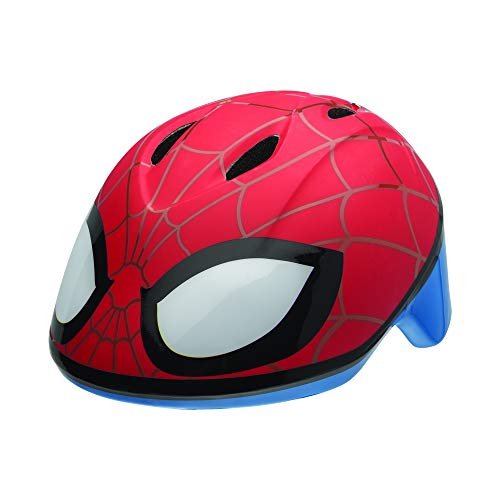
Designed for children ages 3-5, this helmet targets head sizes around 48-52 cm. Bell emphasizes accurate fit, advising head measurement for safety. The Spidey Eyes design adds visibility and a playful aesthetic that can encourage consistent helmet use during outdoor play and travel.
Besttravel Kids Bike Helmet (Blue)

The Besttravel helmet targets kids aged 3-8 with a snug fit in a 48-54 cm range. It uses a rugged ABS outer shell paired with a protective EPS core, designed to be durable for years of outdoor activity. The design supports a secure, adjustable strap system intended to grow with the child’s head size.
Buying Guide: Key Purchase Considerations
Fit and sizing are crucial for safety. Look for multi-size options with adjustable dial systems or adjustable straps to accommodate rapid growth in 3- to 5-year-olds. Comfort features, such as ample padding and ventilation, help ensure kids wear helmets consistently. Certifications like CPSC and ASTM indicate adherence to safety standards, though always verify current regulatory compliance for your region.
Design and visibility matter. Bright colors and character themes can encourage use, but ensure the helmet design does not compromise safety. A secure chin strap, proper strap positioning, and a snug, level fit across the forehead help maximize protection during falls or collisions. Consider lightweight materials to reduce neck fatigue on longer rides or walks.
Durability versus price is a common trade-off. High- quality shells and inner liners provide longer-lasting protection but can come at a higher upfront cost. For most families, choosing an adjustable helmet with grow-with-child sizing and strong impact resistance offers the best long-term value.
Activity compatibility is another factor. If the child participates in multiple activities—biking, skating, scootering—select a helmet with versatile protection appropriate for those sports. Ventilation features, removable liners, and easy-to-clean materials can improve daily usability.
Brand reputation and warranty can influence satisfaction. Reputable brands in the toddler and small-child helmet space often provide reliable fit guidance and customer support. A reasonable warranty or return policy can ease concerns about fit or durability when shopping online.
Add a Comment