For triathletes, a reliable heart rate monitor (HRM) is essential across cycling, running, and swimming transitions. This guide highlights five standout HRMs known for accuracy, multi-device compatibility, and comfortable wear during long workouts. Each product offers robust data like real-time HR, HRV, and advanced running metrics to optimize pace, endurance, and technique.
Summary of Selected Products
| Product | Brand | Key Benefit | Connectivity |
|---|---|---|---|
| Garmin HRM 600 Premium Heart Rate Monitor (M–XL) | Garmin | Accurate HR and HRV data with running dynamics | ANT+, Bluetooth, Garmin ecosystem |
| Polar H10 Heart Rate Monitor Chest Strap (Black, M–XXL) | POLAR | Top precision; versatile with multiple devices | Bluetooth, ANT+, 5 kHz |
| Polar Verity Sense – Optical Arm Band (Black, M–XXL) | POLAR | Wrist-free comfort; wide connectivity | Bluetooth, ANT+, broadcast |
| COROS Heart Rate Monitor Armband | COROS | Comfortable, multi-device pairing | Bluetooth |
| Wahoo TRACKR Heart Rate Monitor | Wahoo Fitness | Long battery life; strong connectivity | ANT+, Bluetooth |
Below we review five HRMs most relevant to triathlon training, focusing on accuracy, comfort, and cross-compatibility with popular devices and apps.
Garmin HRM 600 Premium Heart Rate Monitor

The Garmin HRM 600 Premium delivers accurate real-time heart rate and HRV data to compatible Garmin devices and third-party apps. It’s designed for running dynamics analysis, offering metrics such as stride length, vertical oscillation, and ground contact time balance when paired with a compatible smartwatch. The strap is machine-washable and available in two sizes (XS–S and M–XL) to fit a wide range of athletes. Its stand-alone activity recording feature makes it suitable for triathlon training across bike and run workouts.
Polar H10 Heart Rate Monitor Chest Strap
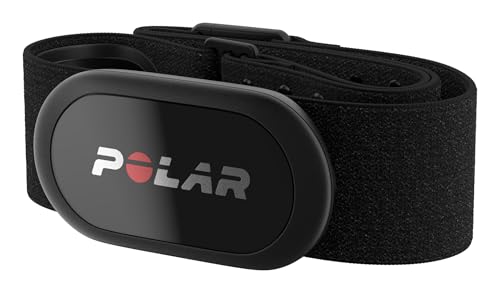
Polar H10 is widely recognized for its precision, often cited as top-tier in HR tracking. It supports Bluetooth and ANT+ with robust compatibility across devices, apps, and gym equipment. The H10 can connect to multiple devices simultaneously, making it a strong choice for triathletes who use separate GPS watches, bike computers, and training apps at once. Its accuracy and flexible connectivity make it a staple for performance-focused training and race pacing.
Polar Verity Sense – Optical Arm Band

Polar Verity Sense offers arm-based comfort with flexible wear options, keeping your wrists free for a lighter feel during runs or swims. It is compact, easy to operate with a single button, and provides multiple connectivity options including Bluetooth and ANT+. Its armsport compatibility and minimal profile make it attractive for triathletes who prefer a more comfortable alternative to chest straps while still maintaining reliable HR data and live broadcasting for training sessions.
COROS Heart Rate Monitor Armband

COROS focuses on comfort and lightweight wear with easy cleaning. The armband provides precise data through a reliable sensor and supports multiple simultaneous connections to devices within its ecosystem. It uses Bluetooth for connectivity and is designed to work well with COROS watches and apps, as well as third-party training platforms. The breathable fabric band reduces irritation during long sessions, making it a practical option for multi-sport training and triathlon preparation.
Wahoo TRACKR Heart Rate Monitor

Wahoo TRACKR offers precise real-time heart rate data with a long-lasting battery—over 100 hours in active use. It supports both ANT+ and Bluetooth, enabling straightforward connections to smartphones, training devices, and popular apps. This model is designed for endurance-focused sessions, maintaining reliable performance across long triathlon workouts, brick sessions, and race simulations where consistent HR feedback is critical for pacing.
Buying Guide
Key considerations when choosing a triathlon-focused HRM include accuracy, comfort, and compatibility. Accuracy impacts pace, HR zones, and recovery planning, so prioritize sensors with independent validation and strong reviews. Comfort matters for long workouts; chest straps should fit snugly without chafing, while optical options can reduce discomfort for extended wear. Connectivity matters in a triathlon setup, where you may pair a chest strap with a watch, bike computer, and training apps simultaneously. Battery life is crucial for long sessions, so prioritize devices with extended runtimes. Finally, evaluate ecosystem compatibility; some brands work best when used with their own watches and software, while others offer broad cross-platform support.
Performance perspectives include:
- Chest-strap HRMs versus optical armbands: chest straps generally offer higher accuracy during varied motion, while armbands offer greater comfort and freedom of movement.
- Single-device ecosystems: Garmin and Polar offer robust training analytics within their own ecosystems, which can simplify data interpretation for running dynamics and HRV trends.
- Multi-device compatibility: devices with both Bluetooth and ANT+ maximize flexibility across apps, phones, and gym equipment, essential for brick workouts and race-day pacing.
- Durability and water resistance: triathletes should favor products rated for water exposure and sweat resistance to ensure reliable performance across swimming, cycling, and running.
In summary, the Garmin HRM 600 Premium, Polar H10, Polar Verity Sense, COROS Heart Rate Monitor Armband, and Wahoo TRACKR provide strong options for triathlon training. Each offers distinct advantages in metrics, comfort, and cross-platform compatibility. Your choice should align with how you train, the devices you already own, and how you prefer to view and apply HR data for pacing, endurance, and recovery.
Add a Comment