Mountain biking demands reliable heart rate data to optimize training, pacing, and recovery. This article highlights five top heart rate monitor options that balance accuracy, comfort, and compatibility with popular cycling apps and devices. Whether you prefer chest straps for precision or armbands for freedom of movement, these picks cover a range of riding styles and budgets.
Summary of chosen products
| Product | Brand |
|---|---|
| COOSPO H808S Chest Strap | CooSpo |
| POWR LABS Dual-Mode Monitor | POWR LABS |
| CHILEAF Armband HR Monitor | CHILEAF |
| COOSPO HW9 Armband HR Monitor | CooSpo |
| Polar H10 Chest Strap | POLAR |
COOSPO H808S Heart Rate Monitor Chest Strap
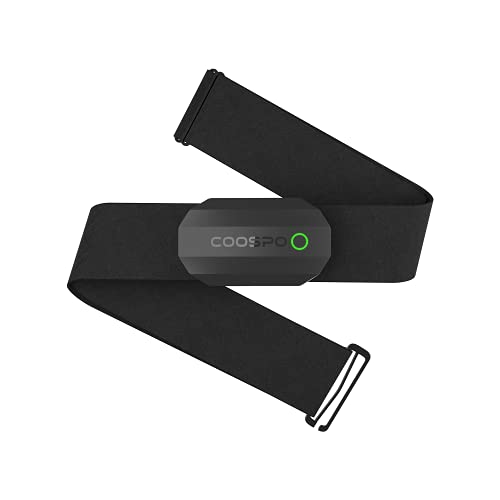
The COOSPO H808S chest strap uses dual-mode Bluetooth 4.0 and ANT+ to deliver real-time heart rate data with a claimed accuracy of ±1 BPM. It is designed for high-performance training across running, cycling, and gym workouts, and its IP67 waterproofing supports sweat and rain exposure on rugged mountain trails. The device supports secure connections to multiple devices, enabling simultaneous streaming to a bike computer and a fitness app. A one-year warranty provides added assurance for ongoing training needs.
POWR LABS Dual-Mode Bluetooth/ANT+ Chest Strap
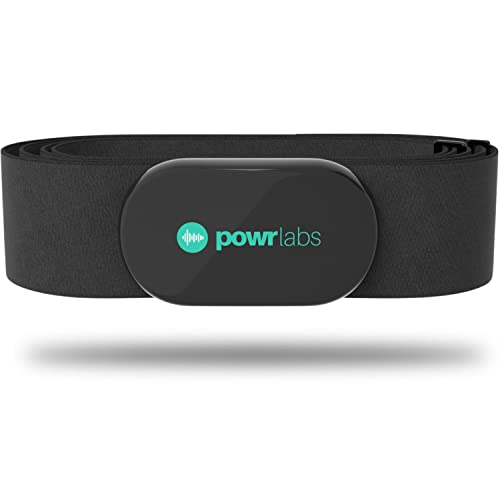
POWR LABS emphasizes universal compatibility and all-day comfort. Its dual ANT+ and Bluetooth synchronization enables seamless pairing with cycling computers, smartwatches, and hundreds of apps. The soft fabric strap reduces chafing during long rides, with an adjustable fit to accommodate varied torso sizes. A long-lasting battery is designed to minimize mid-ride drop-offs, making it a practical choice for weekend warriors and daily cyclists alike.
CHILEAF Heart Rate Monitor Armband

The CHILEAF armband HR sensor combines a PPG optical heart rate sensor with an accelerometer to deliver real-time data. Bluetooth 5.0 and ANT+ dual modes allow concurrent connections to multiple devices, ensuring data reaches a bike computer and a mobile app without delay. The device is marketed with ultra-long battery life (up to 60 hours) and magnetic charging, which reduces downtime between rides and simplifies field use on longer mountain expeditions.
COOSPO HW9 Heart Rate Monitor Armband

COOSPO HW9 uses optical heart rate technology to provide precise data with an accuracy target around ±1 BPM. It features a 5-color LED to indicate heart rate zones and supports HRV measurements for deeper training insights. The armband design aims to minimize movement restrictions during vigorous activity, offering a comfortable alternative to chest straps for riders who prioritize freedom of movement on rugged terrain.
Polar H10 Heart Rate Monitor Chest Strap
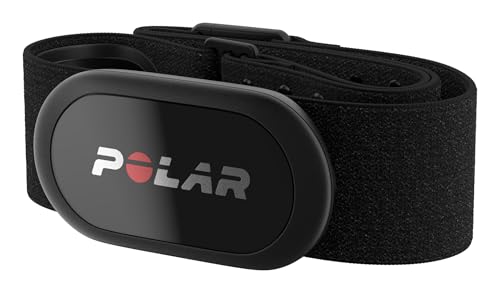
Polar H10 is widely recognized for its precise heart rate data and compatibility with a broad ecosystem of devices. It supports Bluetooth, ANT+ and 5 kHz connections, enabling simultaneous connections to multiple devices. Renowned for dependable accuracy, the H10 is a staple for athletes who rely on consistent metrics across indoor and outdoor training sessions. Its robust construction and waterproofing make it suitable for challenging mountain biking conditions.
Buying Guide: Key Purchase Considerations
When selecting a heart rate monitor for mountain biking, consider data accuracy, connection stability, and comfort. Chest straps generally offer the best accuracy during high-intensity efforts, but armband models provide greater freedom of movement and comfort over long rides. Dual-mode devices (Bluetooth and ANT+) enhance compatibility with bike computers, watches, and training apps, reducing the need to manage multiple devices.
Important factors include battery life and charging convenience. Long-lasting batteries prevent mid-ride interruptions, especially on multi-hour rides. IP-rated waterproofing protects the sensor during rain, sweat, and muddy conditions. App support and data exportability can influence how easily you analyze workouts, track HR zones, and monitor HRV for recovery insights.
Fit and comfort are essential for mountain biking. Chest straps should stay in place on rough terrain, while armband options must avoid chafing and overheating. Some riders prefer armbands for airflow and flexibility, particularly on hot climbs. Consider the preferred form factor, the riding style (endurance vs. high-intensity), and how you plan to use the data (live monitoring vs. post-ride analysis).
Device compatibility is another critical consideration. If you use popular platforms like Zwift, Strava, Peloton, Garmin, or Wahoo, verify that the monitor supports the relevant sensors and apps. HRV capability can offer deeper training insights, but may require compatible software to interpret the data effectively. Finally, assess warranty and customer support quality, which can be valuable for ensuring reliability across long cycling seasons.
Add a Comment