Finding a reliable GPS bike computer can transform trail rides with precise navigation, performance tracking, and bike-friendly routing. This guide highlights five standout models designed for trail cyclists, including elite navigation, adaptive coaching, and rugged reliability. Whether you train for endurance events or explore new singletrack routes, these devices deliver maps, turn-by-turn guidance, offline routes, and real-time data to help you ride smarter.
Summary of chosen products (no links in this table). This quick reference helps compare core capabilities at a glance.
| Product | Brand | Key Strength | Battery Life (typical) |
|---|---|---|---|
| Edge 540, Compact GPS Cycling Computer | Garmin | Adaptive coaching and navigation | Up to 26 hours |
| Edge 840, Compact GPS Cycling Computer | Garmin | Touchscreen plus buttons for navigation | Up to 26 hours |
| Edge Explore 2 | Garmin | Easy-to-use maps and safety features | Typical day use varies by settings |
| Edge 1040 | Garmin | Advanced navigation with long battery life | Extended endurance modes |
| iGPSPORT BSC300T | iGPSPORT | Offline navigation and multi-satellite support | Long battery life |
Garmin Edge 540: Compact GPS With Adaptive Coaching

The Garmin Edge 540 combines compact design with robust navigation and performance tracking. It offers targeted adaptive coaching that adapts training prompts to your current load and recovery when paired with a power meter and heart rate monitor. Users can plan routes, view daily workouts, and access smart connectivity for on-bike data. Battery life reaches up to 26 hours in demanding use cases and extends further in battery saver mode. The device is well-suited for trail riders who want precise mapping, live feedback, and reliable navigation on rough terrain.
Garmin Edge 840: Touchscreen Navigation On The Go
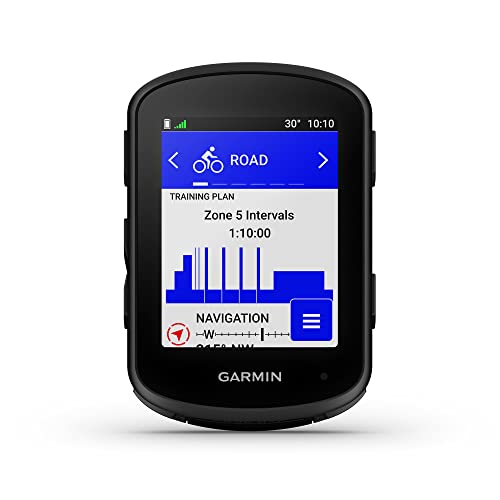
The Edge 840 adds a modern touchscreen paired with physical buttons for versatile control in varying weather and gloves. It delivers precise navigation, performance tracking, and smart cycling features designed to help riders optimize routes and workouts. With a battery life similar to the Edge 540 but with enhanced display capabilities, it suits riders who appreciate quick interactions and high-visibility maps during long day rides or technical singletrack trails.
Garmin Edge Explore 2: Easy GPS Navigation

The Edge Explore 2 emphasizes ease of use with a glove-friendly 3-inch touchscreen and simple setup. It ships with preloaded road, off-road, and indoor activity profiles, and improved ride-type maps highlight popular roads and trails. E-bike routing and dedicated safety features enhance urban and rural trail riding alike, making this an excellent entry-to-midrange option for riders who want straightforward navigation without sacrificing essential trail data.
Garmin Edge 1040: Advanced Navigation And Power

The Edge 1040 is built for serious riders who need extensive navigation capabilities and long endurance. It supports multi-band GNSS for accurate positioning in challenging environments, robust planning tools, and extensive data-field customization. The device excels in endurance rides, bikepacking, and complex trail networks where precise guidance and analytics are essential for performance tracking and route optimization.
iGPSPORT BSC300T: GPS Bike Computer With Offline Maps
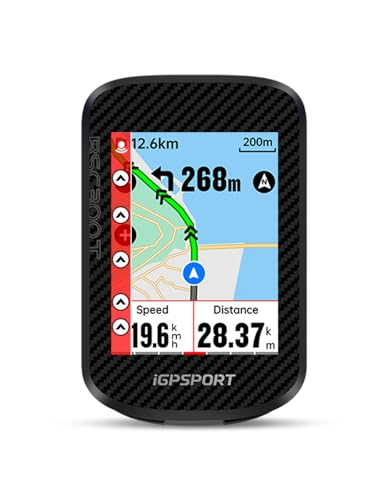
The iGPSPORT BSC300T is a GPS bike computer with a bright 2.4-inch touchscreen and support for multiple satellite systems. It offers offline navigation and a robust data set suitable for trail runs where signal strength can vary. Its compact design and button-assisted operation provide dependable performance for riders who want reliable route guidance without relying exclusively on smartphones.
Buying Guide: Key Considerations For Choosing A Trail GPS
- Navigation and maps: Look for multi-band GNSS support (GPS, GLONASS, Galileo) for accurate positioning in forested canyons or canyon gaps. Check for preloaded maps, offline routing, and updatable points of interest suitable for trail networks.
- Screen and controls: A glove-friendly touchscreen plus physical buttons offers flexibility in varying weather conditions. Ensure readability in bright sunlight and across different screen sizes.
- Battery life: Trails demand long endurance. Consider models with extended battery modes for multi-day rides, and check charging options, especially if you ride through remote areas.
- Training features: Adaptive coaching, daily workouts, and recovery prompts help optimize performance. Ensure compatibility with power meters or heart rate monitors if you plan structured training.
- Connectivity and data: Smart features, live tracking, and wireless data transfer to companion apps can streamline training logs. Note whether the device supports integrations with your preferred fitness ecosystem.
- Durability and water resistance: Trail riding requires rugged devices. IP ratings and rugged designs help withstand mud, rain, and rough handling.
- Ease of setup and use: Look for intuitive interfaces, quick-start profiles, and ride-type presets. Devices aimed at beginners should still offer advanced modes for future growth.
- Routing preferences: Preference for turn-by-turn navigation, breadcrumb trails, or offline maps matters. Consider devices that support trail or topo layers if you ride off-road frequently.
- Size and weight: Compact units are lighter and less conspicuous on handlebars, but ensure the display is large enough to read data at a glance during fast descents.
- Price-to-feature balance: High-end devices offer more coaching and mapping tools, while mid-range options provide essential navigation with robust durability. Evaluate which features align with your trail goals.
In choosing a GPS for bike trails, prioritize navigation reliability, battery endurance, and useful training features. The Garmin Edge line offers advanced navigation and coaching options with varying screen formats, while iGPSPORT provides a strong budget-friendly alternative with reliable satellite tracking. For casual riders, the Edge Explore 2 emphasizes simplicity and safety, whereas the Edge 1040 targets performance-focused riders who demand deep customization and long battery life on challenging routes. Each model has distinct strengths that cater to different riding styles and trail ecosystems.
Add a Comment