Finding the right foam roller can boost yoga practice, enhance mobility, and aid in post-session recovery. This guide reviews five top options designed for yoga, stretching, and myofascial release, highlighting density, surface, and versatility. Whether you’re a beginner or seasoned practitioner, these rollers offer targeted relief, better balance, and durable construction for home, gym, or clinic use.
Summary Of Chosen Products
| Product | Brand | Length & Density | |
|---|---|---|---|
| OPTP PRO-Roller Soft Density | OPTP | 36″ x 6″, Soft Density | Gentle release for sensitive areas; versatile for yoga and rehab |
| Amazon Basics High Density Foam Roller | Amazon Basics | 36″ x 6″, High Density | Firm support for deeper tissue work and stability |
| ProsourceFit High Density Foam Roller | ProsourceFit | 12″ (and other sizes), High Density | Compact option with deep tissue massage capabilities |
| Yes4All High-Density Foam Roller | Yes4All | 36″ x 6″, High Density | Durable for back, legs, and core work; multiple sizes |
| OPTP PRO-ROLLER Standard Density | OPTP | 36″ x 6″, Standard Density | Reliable all-purpose roller for yoga and deep tissue work |
These five options cover a spectrum of densities, lengths, and uses—from soft, gentle pressure suitable for yoga and gentle myofascial release to firmer rollers ideal for deeper tissue work and stability training. The products listed balance durability with comfortable surfaces, making them suitable for daily practice or rehabilitation routines.
OPTP PRO-Roller Soft Density Foam Roller

Designed with EVA closed-cell foam, this soft roller is built for ease of cleaning and durability in high-use environments such as gyms, studios, clinics, or home gyms. Its softness makes it ideal for gentle back launches, self-massage, and rolling out tense areas without excessive pressure. The surface supports yoga and Pilates-based sessions, balance work, mobility drills, and rehabilitation routines. Its soft density is especially suitable for users sensitive to pressure while still delivering meaningful tissue release.
Amazon Basics High Density Foam Roller
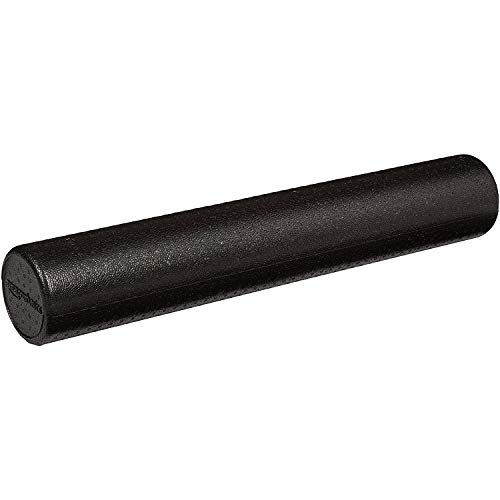
This high-density option emphasizes firm support for deeper tissue work, balance training, and flexibility flows. The molded edges provide added comfort, while the closed-cell polypropylene construction helps the roller maintain its shape under regular use. It is well-suited for yoga sequences that involve hip opener work, thoracic mobility, and guided tissue release, helping practitioners build stability and control during poses that require core engagement and alignment.
ProsourceFit High Density Foam Roller

The ProsourceFit model features a high-density surface designed for a deeper massage while preserving firmness under pressure. Its 12-inch length variants provide reach for targeted areas such as the back, calves, and shoulders, while still supporting broader yoga sequences. With a high weight capacity and a focus on body awareness, this roller complements Pilates and balance routines, enabling practitioners to refine posture and alignment during flows and stretches.
Yes4All High-Density Foam Roller (36 Inch)

The Yes4All foam roller is designed for back, leg, and IT band work with a robust high-density foam structure. It provides a firmer surface that supports deeper tissue techniques, yet remains stable enough for spinal-friendly rolls when used with care. A range of sizes makes it adaptable for beginners and advanced users aiming to improve overall mobility, warm up before yoga, or recover post-practice from tightness in the thoracic and lumbar regions.
OPTP PRO-ROLLER Standard Density

The Standard Density OPTP roller blends durability with versatility for yoga, pilates, trigger point release, and deep tissue massage. Built to handle regular use in gym or clinical settings, its closed-cell EVA foam construction resists moisture and cleans easily. This option is a reliable all-around tool for practitioners seeking a balance between firmness and comfort across a variety of yoga sequences and rehab-focused routines.
Buying Guide: Key Purchase Considerations
- Density and pressure: Softer densities help with sensitive areas and softer tissue release, while higher densities support deeper tissue work and more demanding stability work. Consider your sensitivity, experience, and the intensity of your practice.
- Length and portability: A 36-inch roller suits full-body work and back mobility, while shorter models (12–24 inches) are convenient for targeted spots and travel. Yoga flows often benefit from longer rollers for smoother transitions along the spine.
- Surface texture: Smooth surfaces provide uniform pressure, while textured patterns (projections, ridges) can target knots and trigger points more effectively. Choose based on preference for comfort versus deeper fascia work.
- Durability and material: Closed-cell EVA foams resist moisture and are easy to sanitize, which is important for studio and clinic use. Look for rollers that can withstand regular use without flattening or cracking.
- Versatility: For yoga practitioners, select a roller that supports balance, flexibility, mats alignment, and mobility drills. A versatile roller can serve as a back roller, hip opener aid, or core stability tool.
- Maintenance: Easy-clean surfaces and resistance to sweat and oils simplify routine maintenance, ensuring long-term hygiene in shared spaces.
- Price and value: While higher-density or branded rollers may carry a higher price, the durability and performance can justify the cost for regular practitioners and rehabilitation users.
In selecting the right foam roller for yoga, consider your body areas you most want to target, your tolerance for pressure, and your practice frequency. A softer density is a gentle starter option for yoga and myofascial release, while high-density varieties suit deeper tissue work and athletes needing robust support during mobility rounds. For many, keeping one standard dense roller for broader use and a softer option for sensitive regions offers a practical approach to comprehensive practice.
Add a Comment