Winter running demands gear that protects you from wind, cold, and moisture while staying breathable. The following five balaclavas and face masks are designed to keep your head and face warm without suffocating airflow. Each option offers varying levels of coverage, moisture management, and wind protection to suit different climates and activities—from chilly morning jogs to high-intensity winter runs.
The table below highlights the chosen products with a quick glance at their standout features to help you compare at a glance before diving into detailed reviews.
| Product | Brand | Key Features |
|---|---|---|
| Tough Headwear Balaclava Ski Mask | Tough Headwear | Ultra-soft fleece, 4-way stretch, breathable mesh panel, waterproof shell |
| Tough Headwear Half Ski Mask | Tough Headwear | FurnaceFleece warmth, dual-wear as mask or neck gaiter, mesh breathing panels |
| Balaclava Half Face Mask Adjustable Fastener | Omenex | Wind-resistant, thermal fleece, breathable mesh, versatile winter use |
| ROCKBROS Windproof Thermal Balaclava | ROCKBROS | Thermal fleece, wind/cold/dust/UV protection, helmet-compatible |
| WTACTFUL Winter Neck Gaiter | WTACTFUL | Air hole design, fog-free vents, warmth for skin protection |
Tough Headwear Balaclava Ski Mask For Winter Running

The Tough Headwear balaclava combines an ultra-soft fleece lining with a four-way stretch outer fabric to deliver a snug, comfortable fit in freezing temperatures. A breathable mesh panel enhances airflow, aiding in moisture management during high-intensity runs. The outer shell is designed to be weather resistant, providing extended neck coverage to shield against wind, rain, and snow, which helps keep the entire face and neck region protected during winter workouts.
Tough Headwear Half Ski Mask For Winter Running

This half mask delivers exceptional warmth with FurnaceFleece fabric designed for cold conditions down to 30°F. Its dual wear capability lets you use it as a full mask or as a neck gaiter, giving you flexibility for changing weather or comfort preferences. Mesh breathing panels reduce moisture buildup and prevent the suffocating feeling during long runs or dynamic workouts, making it a versatile option for winter training.
Omenex Balaclava Half Face Mask With Fastener
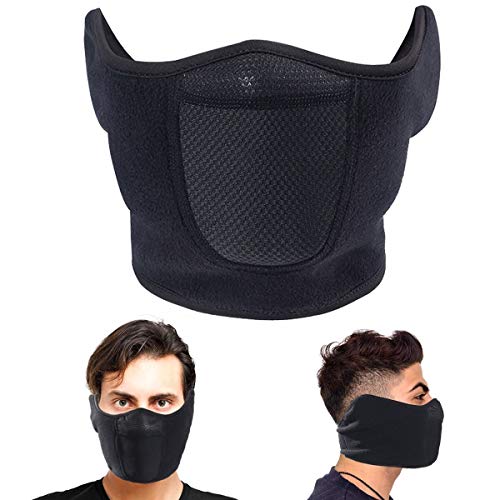
This adjustable windproof mask uses wind-protectant fabric panels and a thermal fleece lining to maintain warmth in exposed winter conditions. It’s highly breathable thanks to mesh panels designed to increase airflow while minimizing fogging in goggles, an important feature for winter runners who wear eye protection. Its design is suited for a wide range of winter outdoor activities beyond running, including skiing and motorcycling.
ROCKBROS Windproof Thermal Balaclava

ROCKBROS emphasizes extreme warmth with a thermal fleece interior and windproof shell. This balaclava also blocks wind, dust, and UV rays, offering protection in bad weather. It’s helmet-compatible, making it practical for runners who also bike or ski. The versatility makes it a strong pick for urban winter runs or long trail sessions where exposure to harsh wind is a concern.
WTACTFUL Winter Neck Gaiter For Running
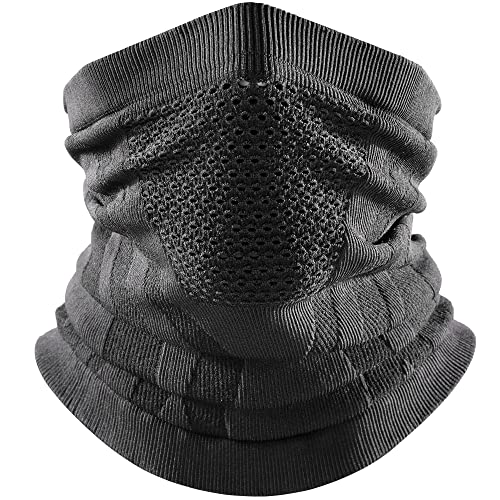
The WTACTFUL neck gaiter emphasizes breathability with an air hole design, delivering vented protection at the nose and mouth to reduce moisture and fogging. It doubles as a neck warmer and can be pulled up for lower-face coverage when conditions require more protection. This option is particularly suitable for runners who prioritize continuous airflow during high-intensity winter workouts.
Buying Guide: Key Purchase Considerations For Winter Running Masks
- Warmth vs. breathability: Seek a balance between insulation and airflow. Mask designs with mesh panels or vented zones help prevent overheating and moisture buildup during intense runs.
- Coverage level: Decide between a full balaclava, half mask, or neck gaiter based on climate, wind exposure, and personal comfort. Full coverage offers more protection but can feel restrictive for some runners.
- Wind and moisture protection: A windproof shell or fleece lining helps block cold gusts, while moisture-wicking fabrics reduce dampness from sweat and breath.
- Fit and versatility: Look for stretchable materials and adjustable fasteners or multi-wear designs to adapt to different activities and helmet compatibility if you ride.
- Anti-fog and goggles compatibility: For runners who wear goggles or sunglasses, mesh breathing panels and breathable nose/mouth vents can minimize fogging.
- Layering considerations: In very cold environments, these masks serve as a base layer. If you’re in milder winter conditions, a lighter option may suffice.
- Care and durability: Choose fabrics that withstand repeated washings and maintain warmth without pilling or losing shape.
When choosing a winter running mask, consider your typical running conditions—temperature, wind exposure, and whether you wear a helmet or glasses. If you often train in windy, wet, or icy climates, a mask with a windproof shell and moisture-wicking interior is advisable. For milder winter days, a flexible neck gaiter or half mask may provide adequate warmth without feeling restrictive.
Add a Comment