Hunters targeting elk demand broadheads that combine dependable penetration, precise flight, and lethal cutting power. The following expandable broadheads are chosen for their proven performance in big-game hunts, crossbow reliability, and broad compatibility with modern archery setups. Each option includes a focus on penetrating wound channels, blade durability, and flight consistency at higher speeds. Read on to compare five strong choices and find the right match for your elk hunting needs.
| Product | Brand | Type | Cut Diameter | Notes |
|---|---|---|---|---|
| Nemesis Broadhead | TenPoint | Three/Six- Blade (Expandable) | 2.0″ | High penetration; tested to 900 FPS |
| DeadMeat V2 Standard | G5 Outdoors | Three-Blade Expandable | 1.5″ | Stainless steel; USA-made |
| Grim Reaper 1903 Razortip | Grim Reaper Broadheads | Three-Blade Expandable | 1.375″ | Razor-cut design; durable build |
| DeadMeat V2 Crossbow | G5 Outdoors | Three-Blade Expandable | 1.5″ | Crossbow-optimized |
| KillerTech Broadhead | Killer Instinct | Two-Blade Expandable | 1.5″ | Speed-Lok system; reliable at high speeds |
Keep in mind elk hunting often requires broadheads that perform reliably under varying wind conditions and through tough shoulder bone. The selections below cover both compound bow and crossbow use, emphasizing penetration, blade durability, and consistent flight. Each section includes practical considerations to help you choose the best option for your setup and hunting style.
Nemesis Broadhead By TenPoint

The Nemesis Broadhead targets maximum penetration and hemorrhage with a four-blade design. The 100-grain head creates a 2″ entry wound with a 2″ x 1.75″ exit opening, providing a substantial total cut. The four-blade configuration transfers energy efficiently from today’s fast crossbows, contributing to pronounced wound channels. It has been tested to maintain point of impact at high speeds, which supports predictable flight for elk hunting scenarios. This broadhead emphasizes performance consistency and lethal potential in high-velocity setups.
DeadMeat 100% Steel Expandable Standard

Machined from A+ grade stainless steel, the DeadMeat V2 Standard uses three robust blades to deliver a 1.5″ cutting diameter. The rearward sliding design enhances cutting efficiency and penetration, supporting substantial blood trails. The SnapLock blade retention system provides a confident blade lock-in and audible confirmation as each blade seats. The build aims for reliable performance across elk-sized game, with replaceable blades and collars allowing continued use after field wear. The broadhead blends durability with practical field maintenance.
Grim Reaper 1903 Razortip

The 1903 Razortip is designed for high-caliber performance with a 1-3/8″ cut at 100 grains. Its 0.035″ thick 440 stainless steel blades pair with aircraft-grade aluminum ferrules for strength and aerodynamic efficiency. The 40-degree swept-back blade angle opens quickly and requires less energy, potentially improving cutting power for big game. For elk hunters using robust, fast bows, this profile seeks to balance blade speed with dependable penetration and wound channel size.
DeadMeat V2 Crossbow Expandable
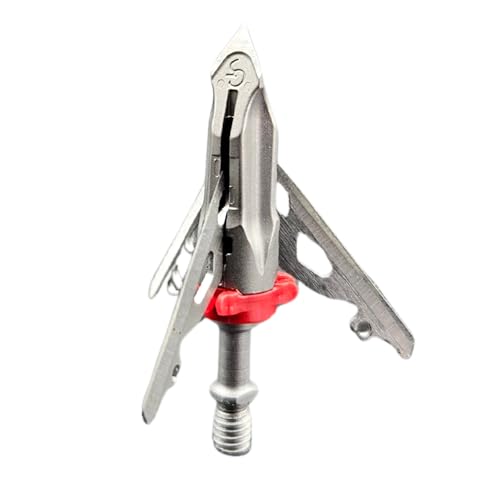
Designed specifically for crossbows, this DeadMeat V2 model uses three steel blades and a 1.5″ cutting diameter. The rearward sliding deployment helps maintain penetration and consistency at high crossbow speeds. The SnapLock blade retention system ensures blades remain locked in flight-ready position, reducing the risk of misfire or blade movement. Its construction prioritizes durability and reliable field performance, which elk hunters can appreciate when shooting at mid-to-long ranges with crossbows.
KillerTech Broadhead 100 Grain

The KillerTech Broadhead uses a 2-blade, 1.5″ cutting diameter with a Speed-Lok system designed to perform reliably at speeds above 500 FPS. The construction relies on heavy-duty 420 stainless steel blades and an aircraft aluminum ferrule to withstand big-game impacts. The system eliminates common failure points such as O-rings and springs that can fail at high speeds, contributing to consistent blade deployment and clean wound channels for elk hunting. The model aims to deliver predictable accuracy and powerful penetration in demanding field conditions.
Xecutioner Expandable Broadhead

The Xecutioner broadhead features cut-on-contact capability with aluminum ferrule and compatibility with low poundage bows and crossbows. The design aims for straightforward deployment and reliable performance across varying hunting setups. While compact, this option is positioned to offer dependable penetration through elk targets when matched with appropriate draw weight and broadhead alignment.
Buying Guide: Key Purchase Considerations
- Deployment and speed: Choose a broadhead whose deployment system matches your bow or crossbow speed. Speed-Lok and similar systems reduce the risk of in-flight blade misdeployment at high speeds.
- Cut diameter and blade count: Larger cut diameters generally create more immediate wound channels but require sufficient energy to deploy. Three-blade designs often balance penetration and tissue disruption well for elk.
- Material and durability: Stainless steel blades with aircraft-grade ferrules deliver strength and resistance to flexing. Durability matters for tough game and repeated field use.
- Penetration performance: Models with efficient energy transfer and minimal drag tend to deliver greater penetration through shoulder bone and dense tissue common in elk.
- Maintenance and replacements: Some broadheads offer replaceable blades or collars, which can extend service life and lower long-term costs.
- Crossbow vs. compound compatibility: Crossbow-specific broadheads may emphasize cutting power and deployment suitability for higher speeds, while compound-friendly designs focus on flight accuracy and broadhead stabilization.
- Field testing and consistency: Look for broadheads with documented performance data, including penetration tests and flight-point retention at typical hunting speeds.
In selecting among these options, hunters should align broadhead choice with their bow type, draw weight, and typical elk hunting conditions. Considering blade durability, deployment reliability, and wound-channel potential helps ensure ethical and effective big-game outcomes while maintaining consistent flight paths toward elk targets.
Add a Comment