Clip-on tri bars, also known as aero bars, are designed to improve aerodynamics and rider comfort on long rides, time trials, and triathlons. This guide highlights five top options that pair durable construction with ergonomic comfort, helping you choose the right clip-on setup for road and triathlon use. Each product below includes a quick look at its key features to help you compare at a glance.
| Product | Brand | Key Feature |
|---|---|---|
| DRCKHROS Aero Bars | DRCKHROS | Aluminum alloy, adjustable rest and bar positions, removable sponge pads. |
| Profile Design Legacy II Aerobars | Profile Design | Forged aluminum, venturi armrests, wide adjustment for comfort and aerodynamics. |
| Bike Aero Bar by RUTVEING | RUTVEING | Two-piece sponge rests, easy installation, clamp-compatible for various handlebars. |
| Yccyctrek Aerobar | Yccyctrek | Carbon fiber, lightweight with removable sponge pads, 340mm length. |
| UPANBIKE Aero Bar | UPANBIKE | Aluminum alloy, adjustable clamp fit for 25–33mm handlebars, ergonomic design. |
DRCKHROS Aero Bars

These high-quality aluminum alloy aero bars provide a sturdy foundation for long-distance rides and triathlons. The package includes two sponge pads, which can be removed for cleaning. Both armrests are built from aluminum alloy and are designed to support relaxed, elongated riding postures on good road conditions. Independent adjustments allow you to customize bar length, bar angle, bar width, arm-rest angle, and placement, enabling a personalized riding setup that minimizes drag and maximizes comfort.
Profile Design Legacy II Aerobars

The Legacy II Aerobars are crafted from forged 6061-T6 aluminum, delivering durability with an aerodynamic edge. Venturi-style armrests provide comfortable support, and the armrests are both width- and rotation-adjustable to fit a wide range of road bikes. The design supports multiple hand positions, reducing fatigue during long rides, and is especially suitable for triathlons, time trials, and sustained road efforts where aerodynamics matter most.
Bike Aero Bar by RUTVEING

This aero bar set emphasizes ergonomic design with an emphasis on grip security and comfort. It includes two sponge armrest pads that can be removed for cleaning and additional end-grip protection. The bars are compatible with handlebars that range from 1.05″ to 1.26″ in diameter, and installation is described as easy with standard tools. It aims to provide a comfortable long-distance riding position with straightforward adjustments to accommodate daily use as well as longer endurance rides.
Yccyctrek Aerobar

Made from T700 carbon fiber, these aero bars are lightweight and compatible with 31.8mm clamp systems. The 340mm length offers a balanced stance for efficient aerodynamics on road bikes. Included sponge pads can be secured with Velcro for comfort and can be removed for washing. Proper installation torque (4Nm) is recommended, typically using a hex wrench to tighten components securely, ensuring a stable riding position during fast-paced efforts or long-distance rides.
UPANBIKE Aero Bar
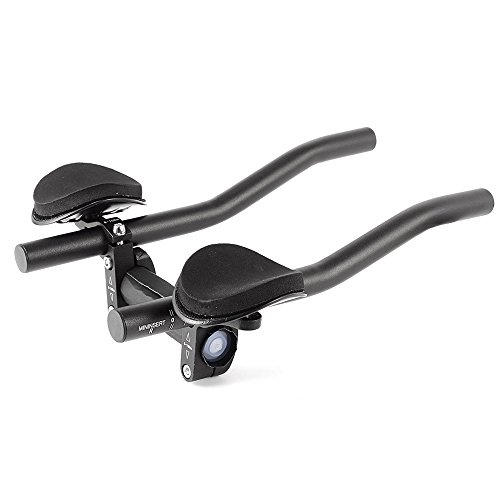
UPANBIKE offers a robust aluminum alloy aero bar with a practical clamp range that fits handlebars from 25mm to 33mm, aided by shims for fine-tuning. The design emphasizes an ergonomic stance to ease long-distance riding stress on the shoulders and arms. The included plastic arm pads and sponge cushion provide additional comfort. This model targets riders seeking a straightforward, adjustable clip-on solution for road or mountain bikes.
DRCKHROS Bike Aero Bar (Second Model)

This second DRCKHROS option presents a similar aluminum alloy build with ergonomic design and removable sponge pads. It supports longer, more comfortable rides with adjustable bar positions and arm rest placements. The two-piece sponge pads simplify cleaning, and the end-grip protection helps secure hands during extended riding sessions. It serves riders who want a reliable, adjustable clip-on system for daily use and endurance events.
REDSHIFT Quick-Release Clip-On Aero Bars

The REDSHIFT Quick-Release aero bars enable fast transitions between road and aero positions during a ride. The clip-on mechanism allows tool-free attachment and removal, making it convenient to switch positions as needed. These extensions are designed for compatibility with multiple bike types, including road, triathlon, and mountain bikes. The focus is on ease of use, reliability, and the ability to optimize aerodynamics on the fly, especially during endurance events or varied terrain.
Buying Guide: Key Considerations For Clip-On Tri Bars
When selecting clip-on tri bars, consider how each model balances aerodynamics, comfort, and compatibility with your bike. Here are factors to weigh:
- Material and build: Aluminum alloy vs carbon fiber affects weight, stiffness, and durability. Carbon fiber is lighter but typically more expensive.
- Adjustability: Look for width, length, and angle adjustments to customize your riding position and reduce fatigue.
- Armrest design: Venturi or ergonomic armrests can improve comfort and reduce shoulder strain during long efforts.
- Pad system: Removable sponge pads simplify cleaning and maintenance; ensure the pads sit securely for stable hand placement.
- Clamp compatibility: Verify clamp diameter compatibility with your handlebars and whether shims are needed for a secure fit.
- Installation ease: Some models are designed for quick installation or removal, offering flexibility for training and racing.
- Compatibility with existing components: Check interference with brakes, shifters, and wheel clearance to avoid conflicting setups.
- Intended use: For triathlon or time trials, prioritize aero efficiency; for casual road riding, comfort and adjustability might be more important.
Each product above offers a different balance of weight, adjustability, and installation simplicity. For riders new to aero bars, starting with a model that emphasizes easy installation and comfortable pads can reduce the learning curve. More advanced users may prioritize carbon fiber construction and broader adjustability for precise aerodynamics settings. Always ensure proper torque and installation per manufacturer guidelines to maintain safety and performance on the road.
Add a Comment