Finding the right bike helmet for a 3-year-old means balancing safety with comfort, fit, and style. The following picks are specifically suited for toddlers and early preschoolers, offering age-appropriate sizes, adjustable fits, and reliable safety certifications. This guide compares five top-rated helmets, highlighting comfort features like ventilation, removable padding, and easy-to-use adjustment systems to help parents make an informed choice.
| Product | Brand | Size Fit | Certifications | Key Benefit |
|---|---|---|---|---|
| Toddler Helmet 1-3 Years Old (Dinosaur) | Bimalsic | 45-51 cm | CPSC, ASTM F1447 | Lightweight with 12 vents for ventilation |
| Lemmeko Toddler Helmet 1-3 to 5-8 | Lemmeko | 43-50 cm (S); 49-55 cm (M) | CPSC, ASTM F1447 | Adjustable dial; removable padding; 11 vents |
| BiutiMama Toddler Helmet 2-4 | BiutiMama | 48-52 cm (XS); 52-56 cm (S) | CPSC, ASTM F1447 | 14 vents; lightweight; DIY stickers included |
| FIODAY Toddler Bike Helmet 1-3 to 5-8 | FIODAY | 43-50 cm (S); 49-55 cm (M) | CPSC, ASTM F1447 | Rotatable knob for secure fit; 11 vents |
| Besttravel Kids Bike Helmet 3-8 | Besttravel | 48-54 cm | CPSC | Adjustable for growing kids; rugged ABS shell |
Toddler Helmet 1-3 Years Old (Dinosaur) – Bimalsic

Built with a lightweight polycarbonate outer shell and reinforced with an impact-absorbing inner layer, this helmet targets the delicate head area of toddlers. It features bold, playful colors and a glossy finish to appeal to kids while maintaining a sporty look. The product is certified for safety under U.S. dual standards (CPSC 1203 and ASTM 1447) and includes extended head coverage for added protection. Its 12 vents promote airflow to help reduce heat buildup during sunny rides, scooters, or indoor play.
Toddler Helmet 2-4 to 1-3/2-4 – Lemmeko

This helmet covers a broad age range with two common small-to-mid sizes. It uses a sturdy PC shell with EPS foam for impact resistance and comfort cooling from 11 vents. An adjustable dial ensures a secure, growing fit, and the quick-release strap makes removal easy for caregivers. The product adheres to major U.S. safety standards and includes removable, washable padding for hygiene.
BiutiMama Toddler Helmet 2-4 Years

Designed for younger riders, this helmet emphasizes safety with a PC shell and EPS foam for impact absorption. It offers 14 vents and a channeled interior, helping keep a toddler’s head cool during outdoor activities. The adjustable chin strap and dial ensure a snug fit as the child grows, while removable, washable inner pads support ongoing comfort and hygiene. A set of DIY stickers adds a personal touch kids often enjoy.
Kids Bike Helmet, Multi-Sport, 3 Sizes – OUWOER (Pink)
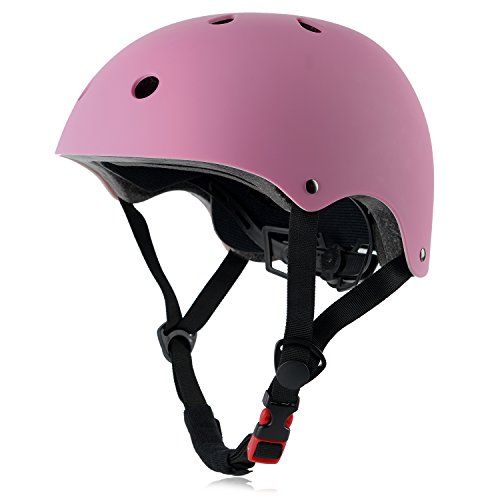
Three size options accommodate growing kids, with an emphasis on safety standards for children over five. The helmet uses an ABS shell with EPS foam for protection and provides good breathability through multiple vents. The design is intended to stay secure during active play, which includes biking, skating, and scooters, making it a versatile option for families with multiple needs.
Besttravel Kids Bike Helmet – Blue

Besttravel’s helmet is sized for ages 3-8 and features a rugged ABS shell with an EPS core for shock absorption. It provides a snug fit through an adjustable mechanism and is built to last through active years of childhood. The helmet is tailored for a growing head circumference and is suitable for biking, skateboarding, rollerblading, and other sports, offering dependable protection in varied activities.
Buying Guide: Key Purchase Considerations For 3 Year Olds
When choosing a bike helmet for a 3-year-old, consider fit, safety standards, comfort, and future use. Look for lightweight construction with a secure chin strap and an adjustable dial or fit system that accommodates growth. Certification to CPSC and ASTM F1447 indicates adherence to U.S. safety guidelines for toddler and child helmets. Ventilation reduces overheating on sunny days, while removable, washable pads simplify cleaning. If possible, pick a design your child enjoys to encourage consistent wearing. Also assess whether the helmet suits other activities your child participates in, such as scooters or skateboarding.
Fit guidance: measure head circumference around the forehead, slightly above the eyebrows and ears. Most toddler helmets cover a range; choose the smallest size that fits snugly yet comfortably. Verify strap adjustments allow two fingers of space beneath the chin to prevent chafing. Try the helmet on with the chin strap buckled and ensure it does not tilt back or forward easily.
Ventilation and comfort: more vents usually improve airflow but can add slightly more weight. A well-padded interior enhances comfort and reduces pressure points. Removable pads make cleaning easier and maintain hygiene for young riders who spend time outdoors.
Durability and compatibility: for families with multiple children or ongoing growth, select helmets offering adjustable sizes or long-term fit. Confirm the helmet can be used for other activities like scooters or skateboarding, maximizing value.
Color, style, and fun features: kids are more likely to wear helmets they like. Bold colors and character themes (such as dinosaurs or Paw Patrol) can encourage consistent use, reducing the likelihood of helmet avoidance during rides.
Add a Comment