For hitters aiming to improve contact, selecting the right training bat can make a measurable difference. The following trainer bats are designed to enhance swing speed, accuracy, and hand-eye coordination, while helping players stay on the correct swing path. This guide presents five highly relevant options, highlighting how each can support consistent contact at the plate. Use these tools to reinforce proper mechanics and build confidence before stepping to a regulation bat.
Product Summary
| Product | Brand | Key Benefit |
|---|---|---|
| Champro Pro Contact Trainer Bat & Ball, Orange (A034P), 30″ Length | CHAMPRO | Develops swing speed, strength, and hand-eye coordination with a heavy-duty build |
| CHAMPRO Contact Trainer Bat & Ball BLACK, 30″ | CHAMPRO | Improves accuracy using a skinny barrel and lightweight aluminum design |
| BAT TRAC Baseball & Softball Swing Trainer | BAT TRAC | Guides bat path for easier, powerful, and consistent swings |
| Camwood Training Bat – Baseball (34 Inch – 46 Ounce) | CamWood Bats | Increases bat speed and improves swing path |
| Rope Bat – The Original Patented Rope Bat Swing Trainer | Rope Bat | Uses centrifugal force to teach full-body connection and proper swing |
Champro Pro Contact Trainer Bat & Ball, Orange

Designed to help athletes develop swing speed, strength, and hand-eye coordination, the Champro Pro Contact Trainer Bat & Ball uses a skinny barrel to target accuracy during practice. This setup encourages hitters to make solid contact with a regulation bat by emphasizing precise timing and contact points. Its heavy-duty iron construction supports demanding drills and repetitive sessions, helping athletes build endurance while refining technique.
CHAMPRO Contact Trainer Bat & Ball BLACK, 30″

This CHAMPRO model focuses on improving accuracy with a lightweight, precision aluminum design and a skinny barrel. The trainer’s setup helps hitters enhance contact quality by encouraging a quicker, more controlled swing path. It’s suitable for players who want a portable option that emphasizes consistent contact without sacrificing feedback or durability.
Insider Bat Baseball Softball Batting Swing Trainer Hitting Training Aid Tool Device 07

This trainer provides instant feedback for batter and coach, helping hitters avoid rolling wrists or casting before contact. It promotes proper grip and hand placement, supporting a more reliable swing path and better connection with the ball. Use with players who need clear cues to adjust grip and alignment during practice sessions.
BAT TRAC Baseball & Softball Swing Trainer
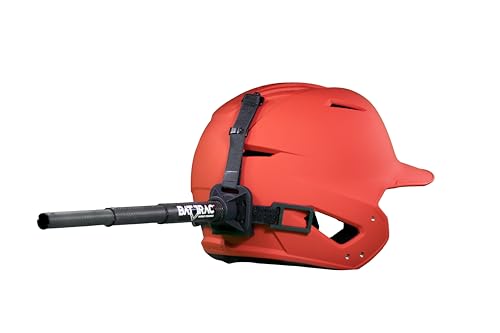
BAT TRAC guides the bat along the correct path every time, helping youth hitters build confidence and improve faster. By positioning the bat in the optimal zone, players can generate stronger, faster swings and drive the ball more consistently. The trainer is designed to develop quick, compact swings and correct body alignment for more accurate contact.
Camwood Training Bat – Baseball (34 Inch – 46 Ounce)

The Camwood Training Bat emphasizes increased bat speed and power, with a focus on optimizing swing path. Its design supports heavy practice sessions, helping players repeatedly train the correct mechanics and stay on the proper swing plane to improve contact consistency with a regulation bat.
Rope Bat – The Original Patented Rope Bat Swing Trainer

The Rope Bat Swing Trainer uses centrifugal force to boost bat speed and teach hitters to stay connected using their whole body. It provides immediate feedback on swing mechanics and is widely used by youth, high school, college, and professional teams for reinforcing proper sequence and balance from start to finish. It accommodates a range of bat sizes, making it a versatile training tool.
Buying Guide: Key Purchase Considerations
- Age and Skill Level: For beginners, opt for lightweight, easy-to-handle trainers that emphasize grip, stance, and direct path. Advanced players may benefit from heavier or more technically specific tools that emphasize bat speed and contact precision.
- Feedback Type: Trainers offer instant feedback through form cues, grip prompts, or visual/kinesthetic cues. Choose one that aligns with the player’s learning style—tactile cues for kinesthetic learners or visual cues for those who prefer seeing mechanics in action.
- Weight and Balance: A lighter trainer can speed up learning, while a heavier model can build strength and control. Ensure the overall weight allows comfortable practice without sacrificing form.
- Barrel Design and Path Guidance: A skinny or guided barrel helps emphasize a direct path to the ball. Trainers with path guides reduce common flaws like casting or rolling the wrists.
- Durability and Material: Metal and high-quality plastics vary in durability. For frequent practice, prioritize models with sturdy construction and reliable components to withstand repeated swings and impact.
- Portability and Setup: Some trainers are compact and easy to carry, while others require more space for practice. Consider practice venue size and travel needs when selecting a trainer.
- Versatility: Look for tools that accommodate different ages, skill levels, and bat sizes. Some options work with both baseball and softball training, offering broader utility for teams and families.
- Coaching Synergy: If you work with a coach, choose trainers that align with the coaching cues you already use. Consistency between practice tools and coaching guidance accelerates improvement.
These considerations help ensure the selected trainer aligns with a player’s goals, available space, and practice cadence. Using a combination of feedback-driven tools and swing-path training can yield more reliable contact, improved bat speed, and better on-field performance over time.
Add a Comment