Back belts can help stabilize the spine, tempo the core, and boost confidence during demanding lifts. This guide highlights five gym-friendly weightlifting belts designed for movements like squats, deadlifts, lunges, and CrossFit style workouts. Each option below features solid construction, comfort, and security for both men and women. Read on to compare materials, buckles, and fit considerations to choose the right belt for your training.
| Product | Brand | Key Benefit |
|---|---|---|
| RitFit Weight Lifting Belt – 6” | RitFit Store | Excellent core support; comfortable fit |
| Element 26 Self-Locking Weight Lifting Belt | Element 26 Store | Secure self-locking buckle for heavy lifts |
| MANUEKLEAR Gym Weight Lifting Belt | M MANUEKLEAR Store | Durable, adjustable, spine-stabilizing |
| 2POOD 4″ Weightlifting Belt | 2POOD Store | CrossFit approved; versatile for training |
| RDX Weight Lifting Belt | RDX Store | Premium leather; wide back support |
Choosing the right back belt involves considering width, buckle type, material, and fit range. The belts below are selected for their balance of stability, comfort, and durability across common gym routines. Each product section presents a concise snapshot of design features and how they translate to training benefits.
RitFit 6-Inch Lifting Belt

The RitFit 6” Weight Lifting Belt offers broad core support with a contoured design that stabilizes the back, abs, and hips during heavy lifting. The belt aims to prevent injuries while supporting compound movements such as squats and deadlifts. Its 6-inch width creates substantial intra-abdominal pressure, which can help lifters push more safely through tough sets. The belt is crafted from reinforced tricot for durability and a comfortable, snug fit that won’t ride up or dig in. Users may experience enhanced stability and confidence during demanding workouts.
Element 26 Self-Locking Weight Lifting Belt
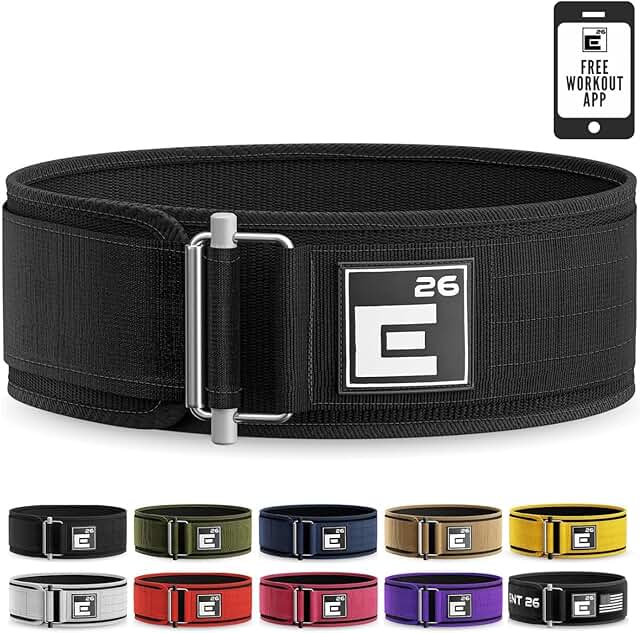
The Element 26 belt employs a self-locking buckle to eliminate slip risks during Olympic lifts. The mechanism is designed for quick, secure fastening and reliable release, reducing the chance of belt failure during peak effort. This feature appeals to serious functional fitness athletes who require consistent belt performance across heavy deadlifts, squats, and complex movements. The belt is built to endure high-tension workouts while maintaining a low profile under apparel.
MANUEKLEAR 7.5-Inch Gym Belt

The MANUEKLEAR belt emphasizes robust support with a wide 7.5-inch back panel, designed to stabilize the spine and core during squats, lunges, and cross-training. It uses high-quality nylon with a breathable feel and steel roller buckles to secure the belt firmly. Available in multiple sizes to accommodate different waist measurements, the belt aims to minimize movement during lifts and promote proper posture. It is positioned as a versatile option for users seeking both comfort and significant lumbar support.
2POOD 4-Inch Weightlifting Belt

The 2POOD belt is the official CrossFit and USA Weightlifting belt, designed to support regular training and competition requirements. At 4 inches wide, it provides a balance of mobility and stability, with added features such as the WODclamp for extra security. The belt is compliant with sanctioned events, making it a practical choice for athletes who participate in both gym sessions and competitive lifting. The construction favors a blend of rigidity and flexibility for a broad range of lifts.
RDX 4” / 6” Leather Back Support Belt

The RDX belt uses genuine cowhide leather and offers both 4-inch and 6-inch back support options, with a padded lumbar area for added comfort during heavy sessions. The belt’s durability is reinforced by a thick build and multiple sizing options to ensure a snug fit around the hips and waist. It is appropriate for powerlifting, deadlifts, squats, and cross-training routines that benefit from robust lumbar stabilization while enabling a broad range of motion.
Buying Guide: Key Purchase Considerations
- Width and coverage: Wider belts provide greater abdominal pressure, but may restrict movement in certain ranges. Choose 4–7 inches based on your torso length, lifts, and comfort preferences.
- Buckle or closure: Self-locking or quick-release buckles offer security for heavy lifts and faster on/off. Traditional prong buckles can be reliable but may loosen under extreme loads.
- Material: Leather belts tend to be durable and supportive; nylon or reinforced fabric belts are lighter and breathable, with flexible fits. Consider sweating, skin sensitivity, and gym climate when deciding.
- Fit and sizing: Measure your waist at the navel and follow the product’s size chart. A belt that sits too high or too low can compromise form and safety during lifts.
- Intended use: For CrossFit and Olympic lifting, features like WODclamp or self-locking mechanisms can add security during dynamic movements. For pure powerlifting, a rigid belt with excellent abdominal pressure may be preferred.
- Durability and warranty: Look for reinforced stitching, dense materials, and reputable brand warranties to ensure long-term performance under frequent use.
When selecting a back belt, align your choice with your primary lifts, training frequency, and comfort needs. For beginners, a mid-width (around 4–5 inches) with a simple closure often provides sufficient support while allowing progressive technique development. Intermediate and advanced lifters may prioritize belts with superior locking systems, higher durability, and specific height profiles to complement their lifting philosophy.
Add a Comment