All-mountain handlebars are a cornerstone of stability, control, and comfort on rugged trails. The right 31.8 mm clamp handlebars can reduce fatigue, improve steering precision, and adapt to a variety of riding styles—from aggressive downhill to long-distance climbs. This guide highlights five strong options that balance width, rise, and ergonomic design for American riders seeking reliable performance on mixed terrains. Each entry includes key features, compatibility notes, and practical considerations to help you compare at a glance.
Summary of chosen products
| Brand | Model | Clamp Diameter | Width | Rise Options | Key Benefit |
|---|---|---|---|---|---|
| GEWAGE | 31.8 Bike Handlebar – 120mm Rise | 31.8 mm | 780 mm | 25/55/70/90/120 mm | Balanced stiffness with broad rise options |
| LUNJE | Mountain Bike Handlebar 31.8mm | 31.8 mm | 780 mm | 35/50/70/90/120 mm | Artistic laser-engraved aesthetic with rugged build |
| Wake (BNVB) | Wake 31.8mm MTB Handlebar | 31.8 mm | 720/780 mm | 720/780 mm options | Ultra-light and strong aluminum alloy |
| PNW Components | Gen 4 Range Mountain Bike Handlebar | 31.8 mm | 800 mm | 35×50 mm | Chatter-absorbing alloy with ergonomic design |
| Funn | Upturn High-Rise MTB Handlebar | 35 mm clamp (adapter needed) | 800 mm | 55/40/75 mm | Upright ride with strong personality |
GEWAGE 31.8 Mountain Handlebar — 120mm Rise

The GEWAGE handlebar combines a wide 780 mm width with a 31.8 mm clamp, offering multiple rise choices: 25, 55, 70, 90, and 120 mm. Constructed from 6061 aluminum alloy, it aims to deliver durable performance with a feel that approaches carbon-like chatter absorption. Its geometry includes 12 degrees of rearward sweep to align shoulders more neutrally and reduce wrist fatigue, making it suitable for long rides and aggressive terrain. The bar is designed to be ergonomic and widely compatible with most mountain bikes and dirt bikes, providing a confident control when descending or climbing technical sections.
Key considerations: The 120 mm rise version is ideal for riders seeking an upright position to relieve back and neck strain on steep climbs. The 780 mm width supports stable handling through quick cornering and rough terrain, but may require stem and cockpit adjustments to fit smaller frames. Material durability and non-slip texture are notable benefits for all-weather use.
LUNJE Mountain Bike Handlebar — 31.8mm
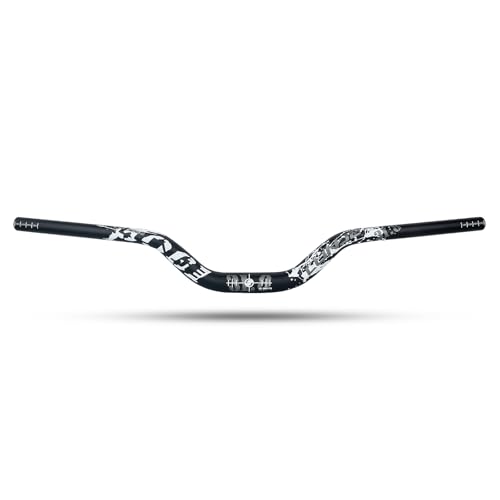
The LUNJE handlebar features a broad 780 mm width with a 31.8 mm clamp and multiple rise options: 35, 50, 70, 90, and 120 mm. It stands out for its artistic laser-engraved finish, blending aesthetics with robust engineering. The bar is designed to accommodate a wide range of mountain, road, and hybrid bikes, offering compatibility with standard stems, brake levers, and grip tape without adapters. The ergonomic profile supports a natural wrist position and reduces fatigue during long rides, making it a strong choice for riders who value both form and function on rugged terrains.
Key considerations: The variety of rise options allows riders to tailor the stance for climbing efficiency or downhill control. The engraved pattern adds a touch of personality, but potential buyers should verify that the finish holds up to rugged trail use. Proper installation torque and alignment are essential to maintain reliable performance in demanding conditions.
Wake 31.8mm MTB Handlebar — Ultra-Light

The Wake MTB handlebar emphasizes lightweight strength with a 31.8 mm clamp and a generous width. Available in 720 mm or 780 mm lengths, it maximizes stiffness while keeping weight low, with aluminum alloy 6061 contributing to durability. The ergonomic design aims to reduce fatigue through a comfortable hand position, which is especially beneficial on long descents or technical climbs. The bar’s design supports compatibility with most mountain bikes and dirt bikes, offering a straightforward upgrade path for riders seeking improved handling and control without adding significant weight.
Key considerations: Weight savings can translate to quicker acceleration and less fatigue, but it’s important to ensure the selected width and rise match your cockpit geometry. The 720 mm option may suit smaller frames or riders seeking a more compact stance, while 780 mm suits riders who want more leverage for aggressive steering on rough trails.
PNW Gen 4 Range Handlebar — 800mm

The PNW Gen 4 Range bar uses 2014 aluminum alloy, offering carbon-like chatter absorption at a cost-effective price point. It comes in an 800 mm width with a 70 mm stem clamp compatibility and ergonomic design featuring a 10-degree backsweep and 5-degree upsweep. This combination places wrists in a natural, relaxed position during climbs and descents, contributing to longer, more comfortable rides on varied terrain. The bar’s construction emphasizes a balance between rigidity for precise steering and flex for shock absorption, making it a versatile option for mixed riding styles.
Key considerations: The 70 mm clamp area and 10/5 degree sweep may influence the micro-adjustments needed for optimal alignment with your grip position. Riders should verify compatibility with their current headset height and stem length, and ensure the 800 mm width aligns with their bike’s overall geometry to prevent cockpit crowding on tight trails.
Funn Upturn High-Rise Mountain Bike Handlebar

The Funn Upturn is a high-rise bar designed for an upright riding position, enabling improved visibility and easier handling on technical terrain. It uses a 35 mm bar clamp with 800 mm width and offers rise options of 55 mm, 40 mm, and 75 mm to suit different riding preferences. The alloy construction emphasizes durability and lightweight performance, making it a practical option for riders who prioritize comfort on rough trails and long rides. A crucial note is to measure your stem’s clamp size to ensure proper fit, as this bar requires 35 mm compatibility or an adapter.
Key considerations: The Upturn’s higher rise can reduce shoulder and neck strain on long climbs but may affect maneuverability in tight corners. Riders who prefer a more upright posture for control on loose surfaces will benefit, while those chasing a lower aero position might prefer a lower-rise option or a different brand’s geometry.
Buying Guide: Key Purchase Considerations
- Clamp diameter: Most mountain handlebars in this category use 31.8 mm clamps for modern stems. Confirm your current stem’s clamp size to ensure compatibility, or anticipate a stem swap.
- Width and stability: A 780–800 mm width offers stability on rough trails but may require trimming based on frame size and riding style. Wider bars enhance control on descents but can hinder steering in tight corners on smaller frames.
- Rise and ergonomics: Rise affects riding posture and fatigue. Higher rises help during climbs and long rides, while lower rises offer quicker handling in technical sections. Consider your preferred stance and back/neck comfort.
- Material and durability: Aluminum alloys like 6061 and 2014 provide a balance of weight, stiffness, and durability. Some models feature aesthetics like laser engraving or textured finishes for personality and grip.
- Backsweep and upsweep: Backsweep (toward the rider) and upsweep influence wrist angle and comfort. Typical configurations range from 5–12 degrees backsweep, with upsweeps that suit long or aggressive climbs.
- Compatibility: Verify compatibility with your brakes, shifters, and grips, along with stem length and cockpit geometry. Some bars require adapters or specific clamp sizes (e.g., 35 mm for certain models).
- Intended use: Downhill, trail, or cross-country emphasis may steer you toward stiffer, wider bars for stability or lighter bars for efficiency. Consider anticipated terrain and riding style when choosing.
- Installation considerations: Proper torque and alignment are essential. Uneven tightening or misalignment can cause handlebar movement or safety risk during aggressive riding.
In summary, the five selected handlebars offer a mix of rise options, widths, and ergonomic designs to suit a wide range of all-mountain riders. When choosing, balance cockpit fit with your frame geometry, riding goals, and comfort preferences to maximize control, endurance, and confidence on the trail.
Add a Comment